Manitoulin Streams
  • Home
  • Projects
    • 2024 Restoration Sites
    • Past Restoration >
      • 2023
      • 2022
      • 2021
      • 2020
      • 2019
      • 2018
      • 2017
      • 2016
      • 2015
      • 2014
      • 2013
      • 2012
      • 2011
      • 2010
      • 2009
      • 2008
      • 2007
      • 2006
      • 2005
      • 2003
    • Stewardship Initiatives
  • Get Involved
    • Stream Tours and Adventures
    • Memberships and Donations
    • Fundraising Events
    • Volunteer
  • Educational Resources
    • Virtual Stream Tours
    • Boat Launches Manitoulin Island
    • Youth Interactive Fun
    • Climate Change
    • Species at Risk
    • Invasive Species Awareness >
      • Giant Hogweed
      • Phragmites Australis (Common Reed)
      • Wild Parsnip
      • Round Goby
      • Sea Lamprey
      • Rusty Crayfish
      • Emerald Ash Borer
    • Hunter & Trapper Workshops
  • Media
    • News Archive >
      • MASC News Archive
      • 2021
      • 2020
      • 2019
      • 2018
      • 2017
      • 2016
      • 2015
      • 2014
      • 2012
      • 2013
      • 2011
      • 2010
      • 2009
      • 2008
      • 2007
      • 2006
      • 2005
      • 2004
      • 1999
    • Newsletters >
      • 2022
      • 2021
      • 2020
      • 2019
      • 2018
      • 2017
      • 2016
      • 2015
      • 2014
      • 2013
      • 2012
      • 2011
      • 2010
      • 2009
    • Photo Archive >
      • 2021
      • 2020
      • 2019
      • 2018
      • 2017
      • 2016
      • 2015
      • 2014
      • 2013
      • 2012
    • Video Archive >
      • 2021
      • 2020
      • 2019
      • 2018
      • 2017
  • Funding & Partners
    • Corporate, School, and Clubs
    • Provincial and Federal
    • Municipal
    • Local Sponsors and Supporters
  • Contact

Hunter and Trapper Workshops

Carrying forward from the Manitoulin Area Stewardship Council (MASC) initiatives, Manitoulin Streams, like MASC, is "about community, fostering a sense of ecosystem-based community, with citizen involvement in land and water stewardship, accepting responsibility for protecting our land and water for generations to come."  

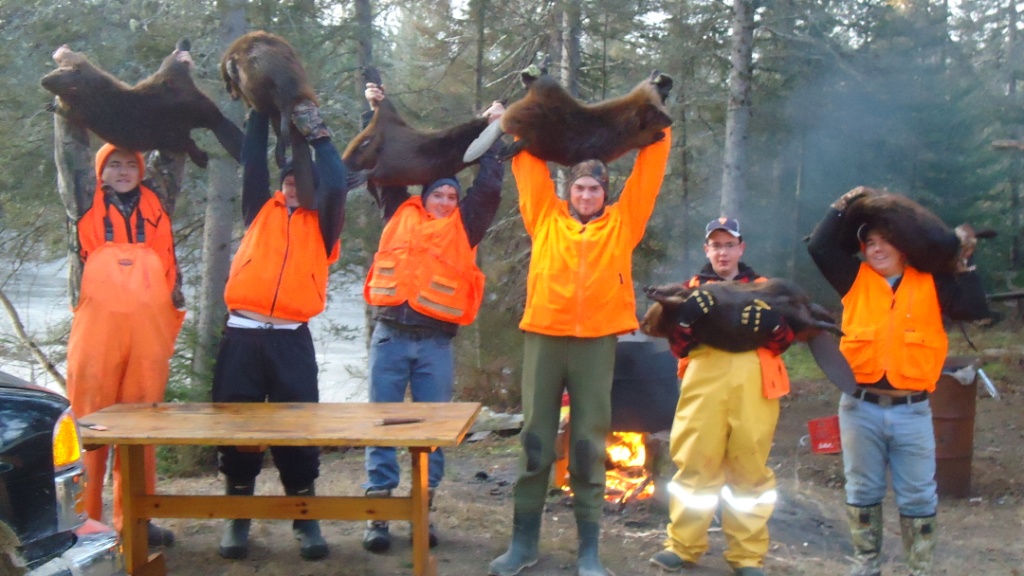
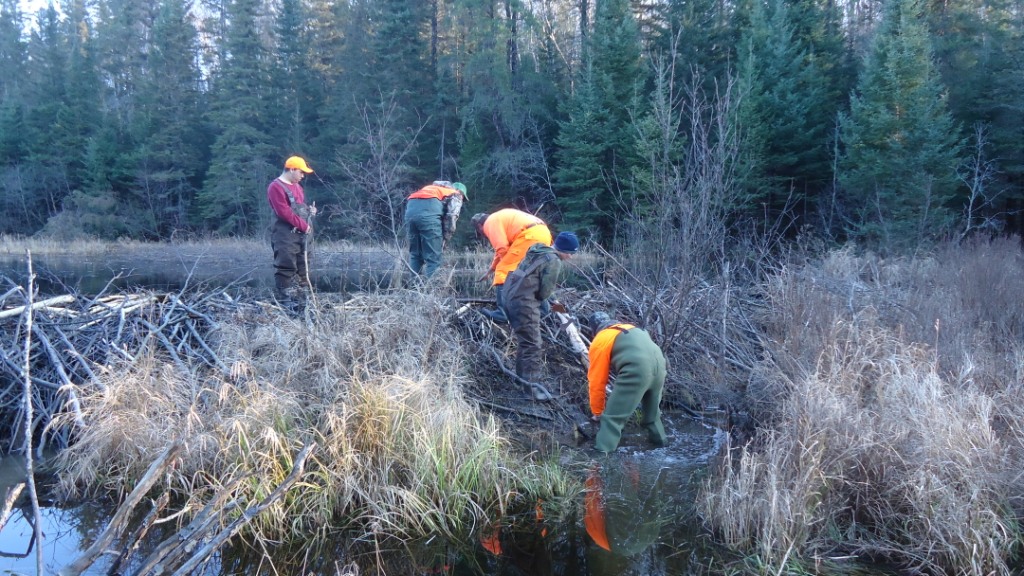
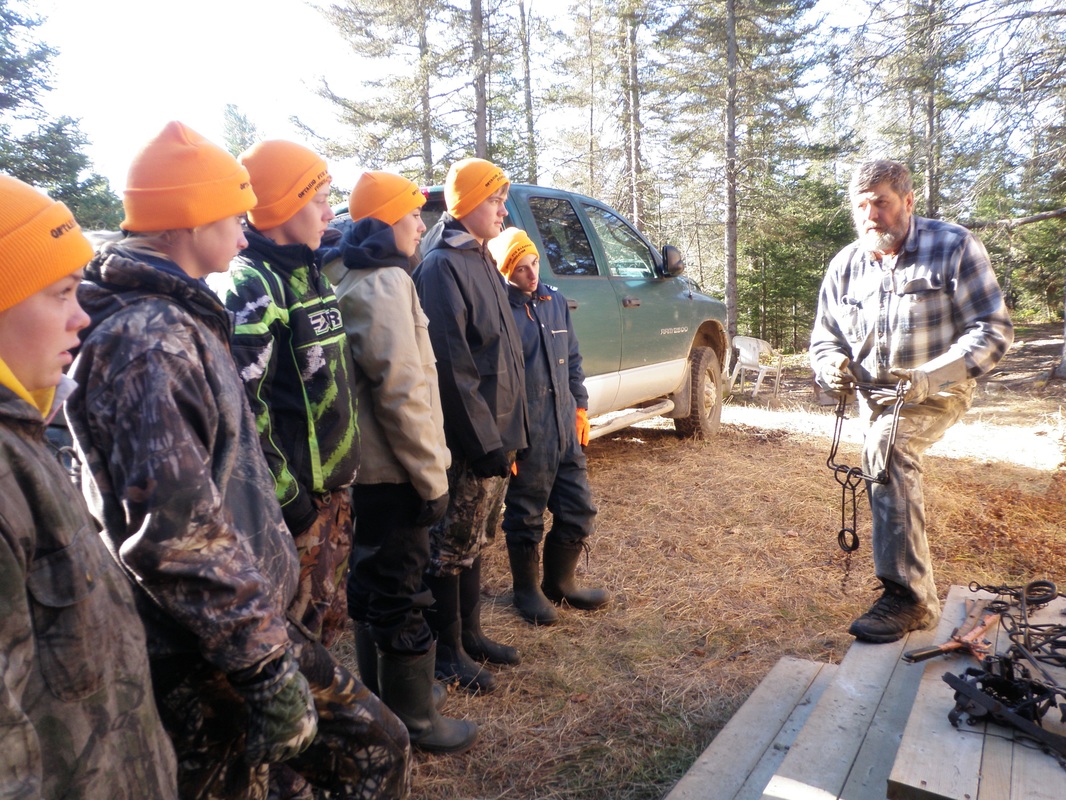
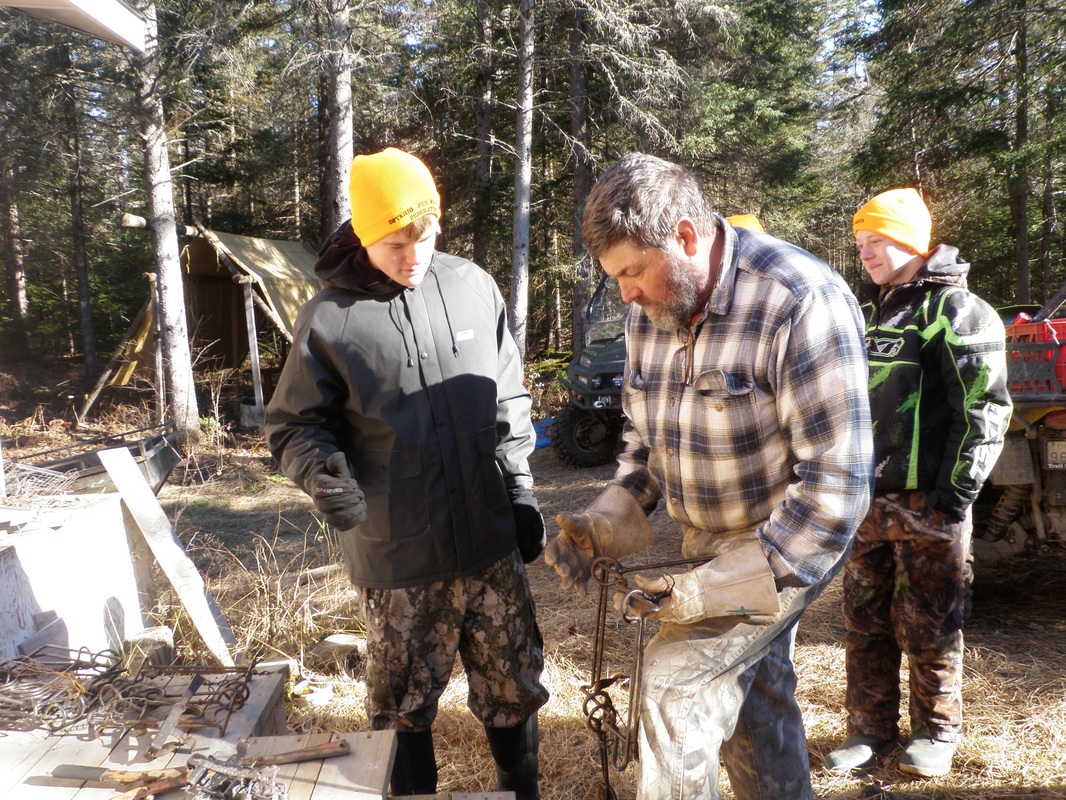
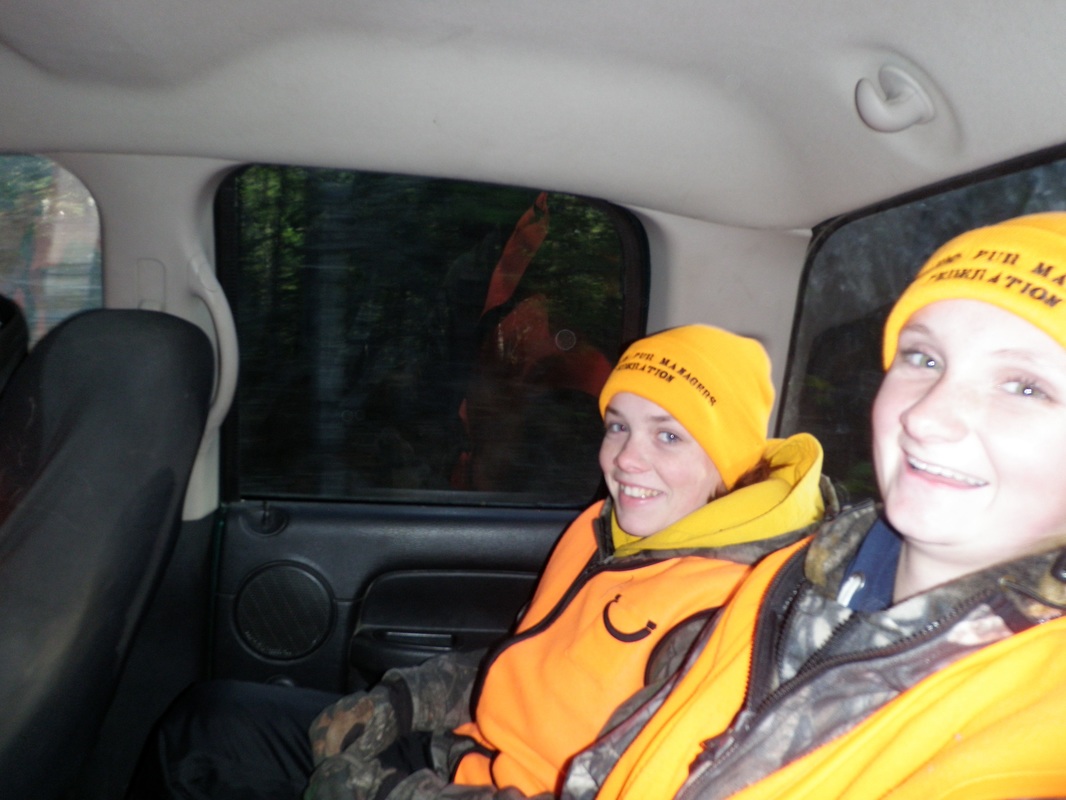
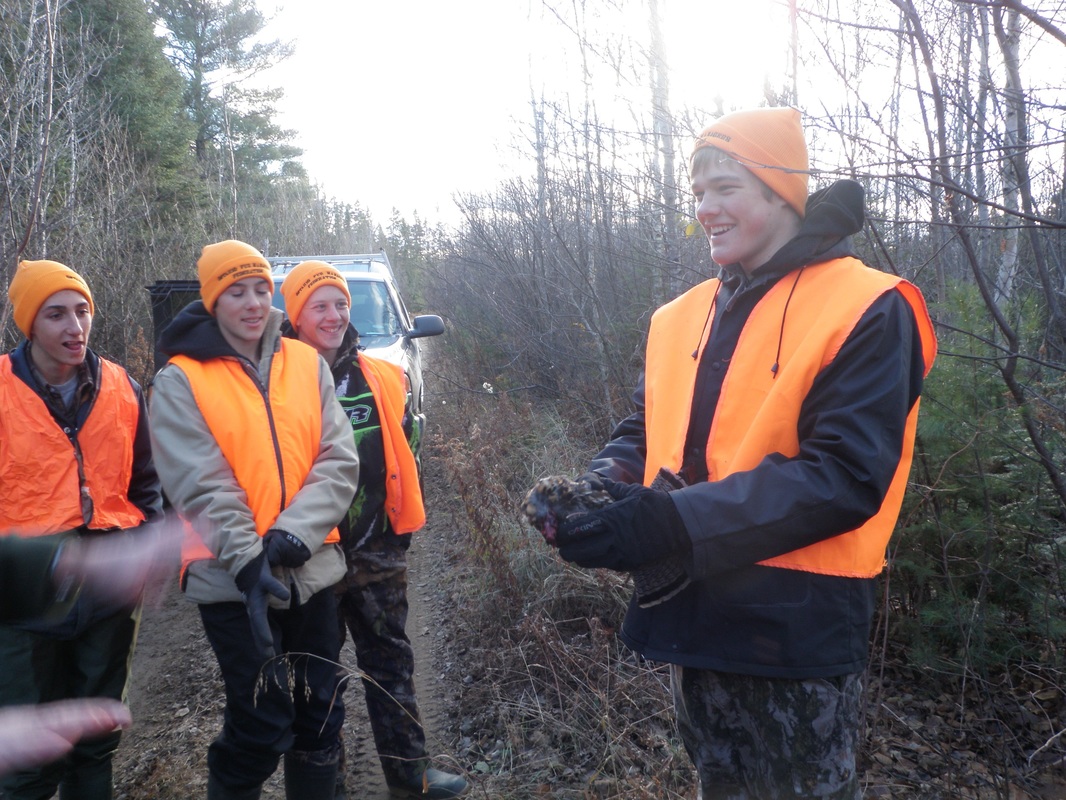
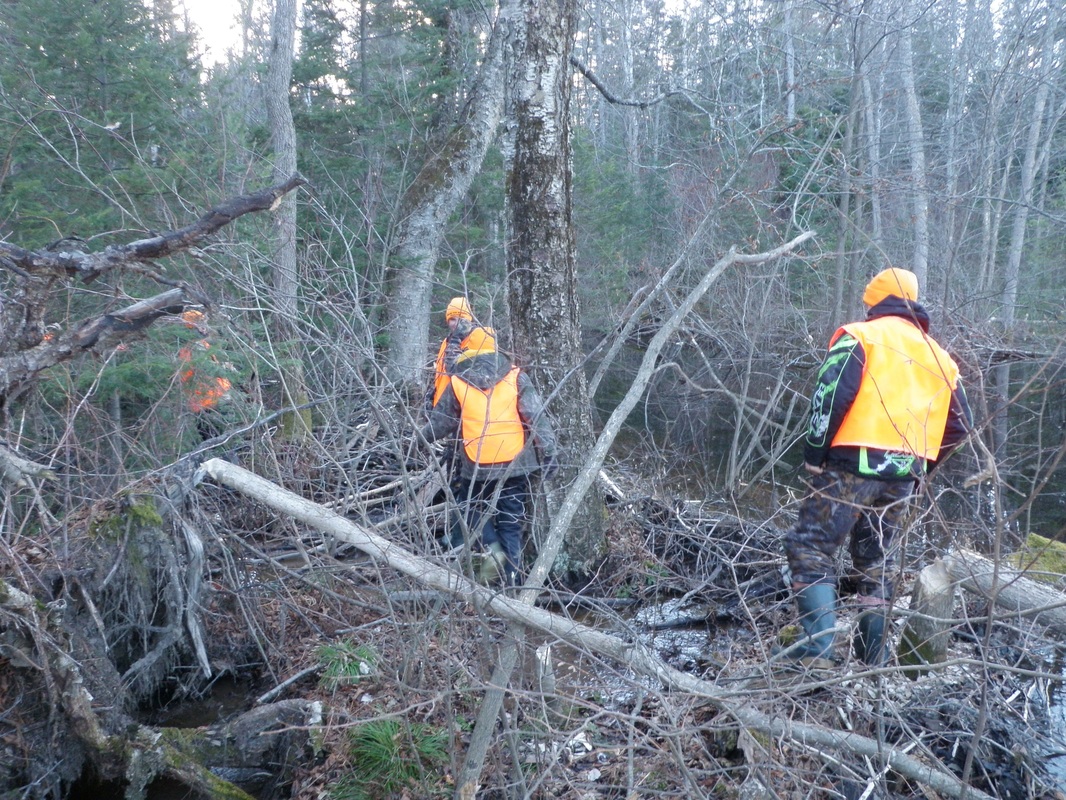
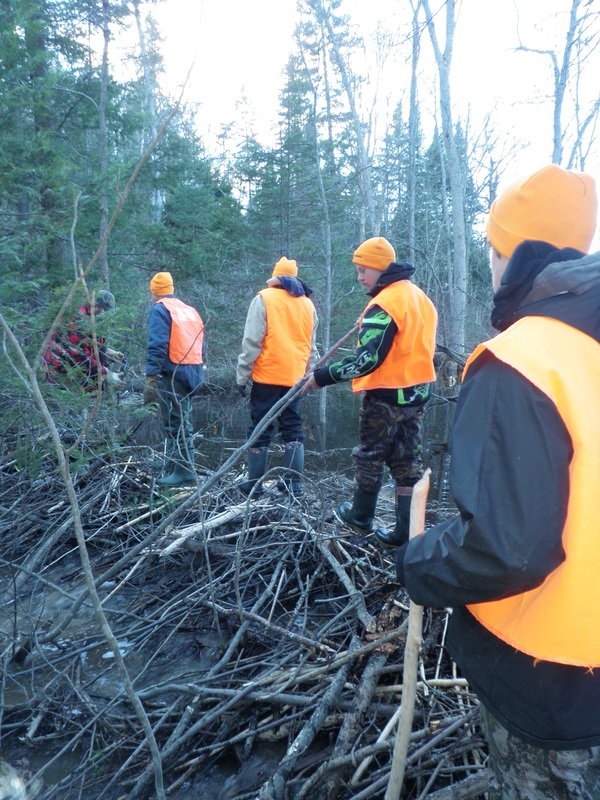
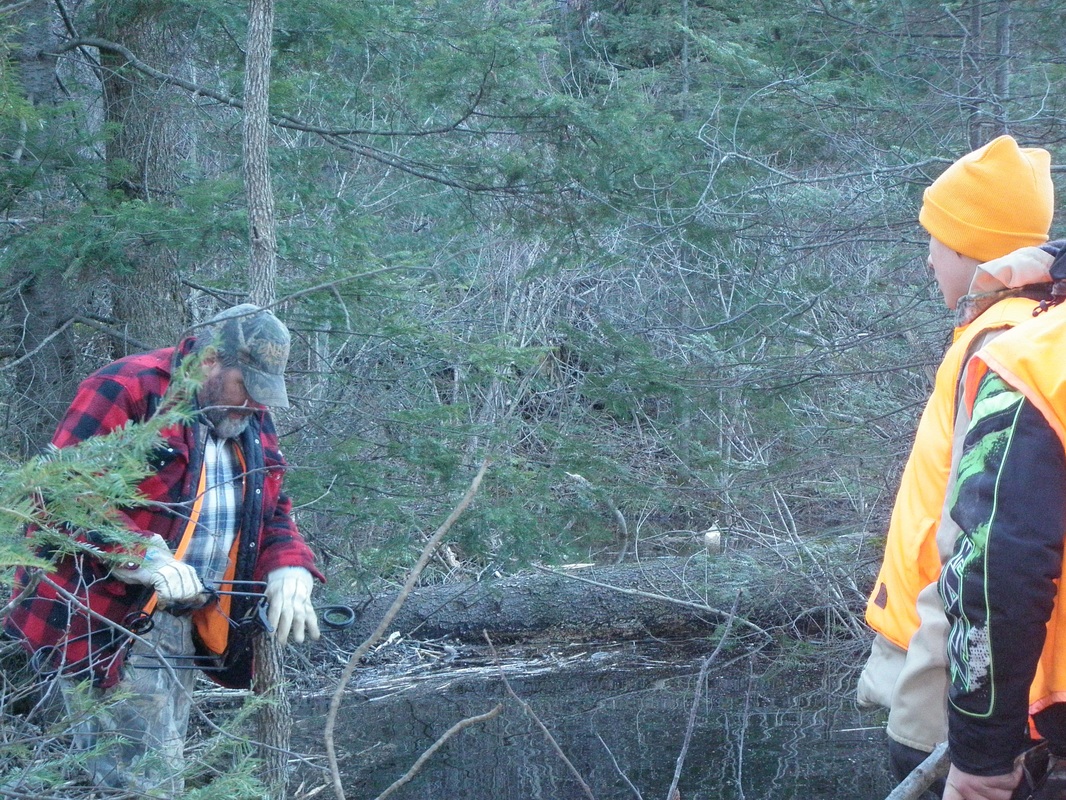
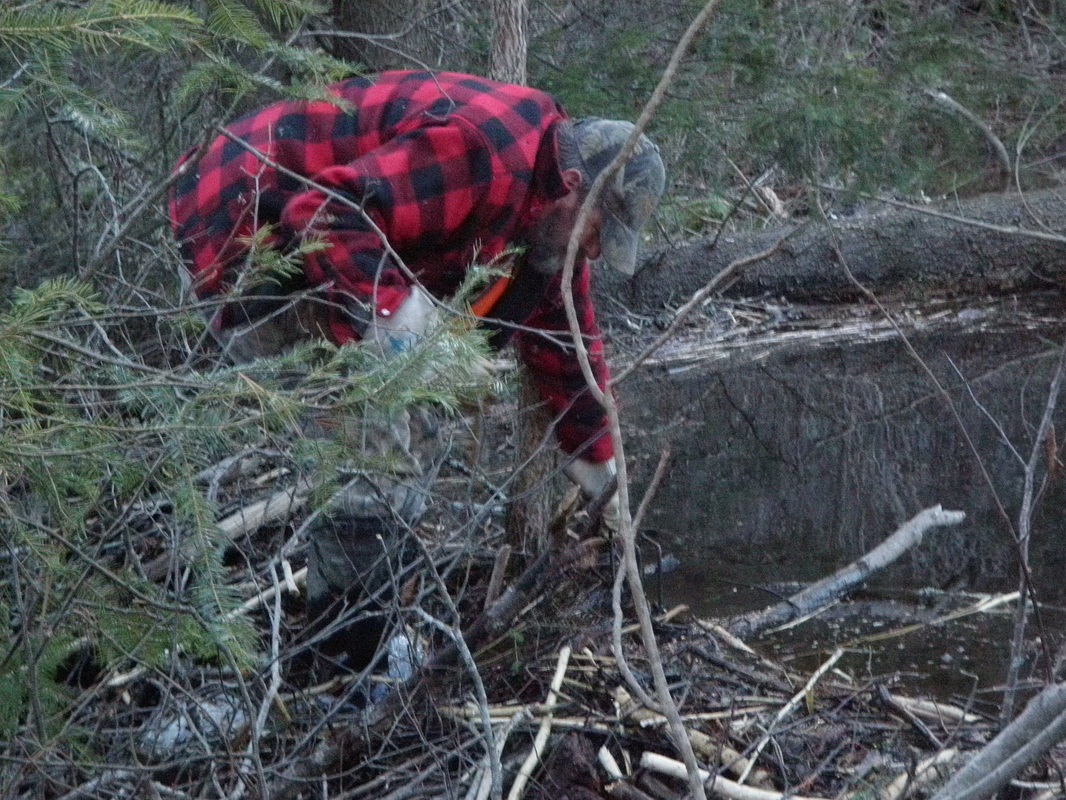
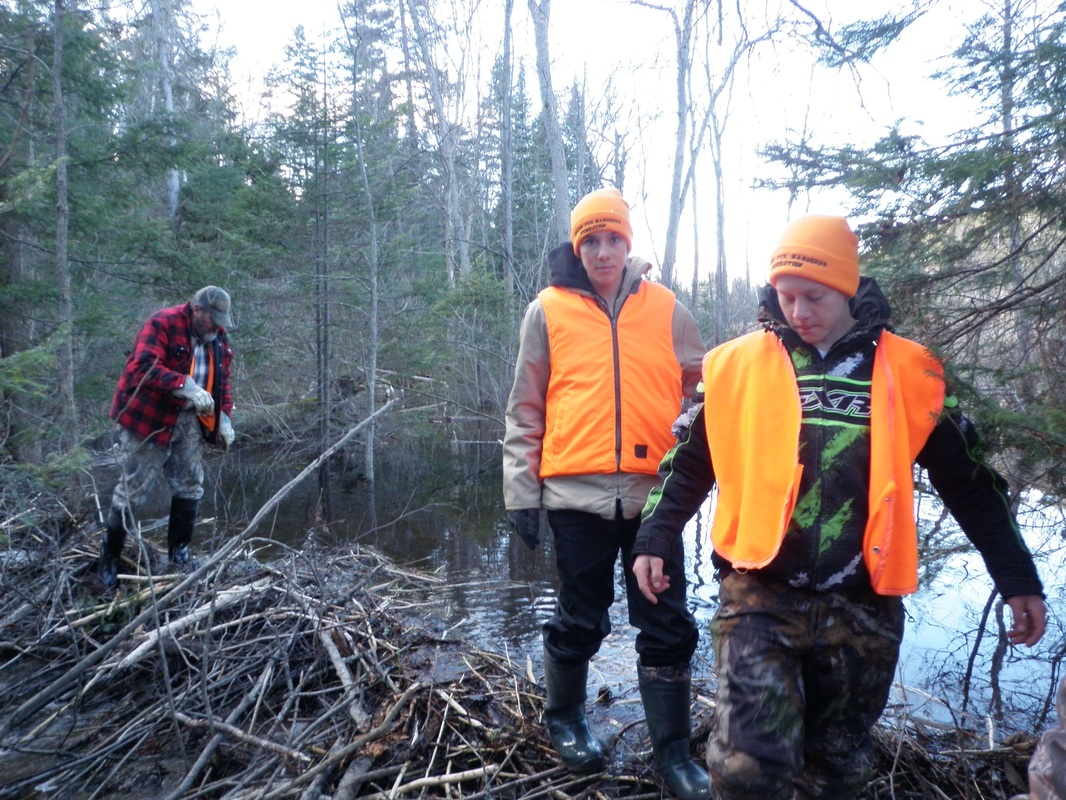
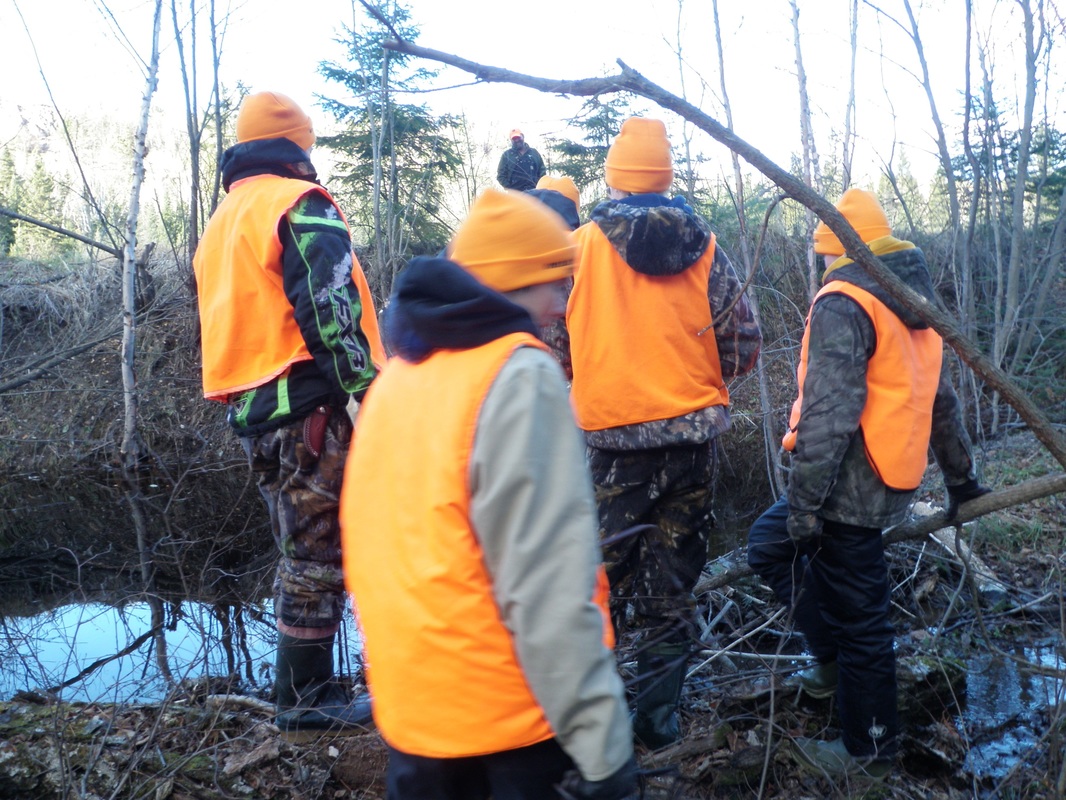
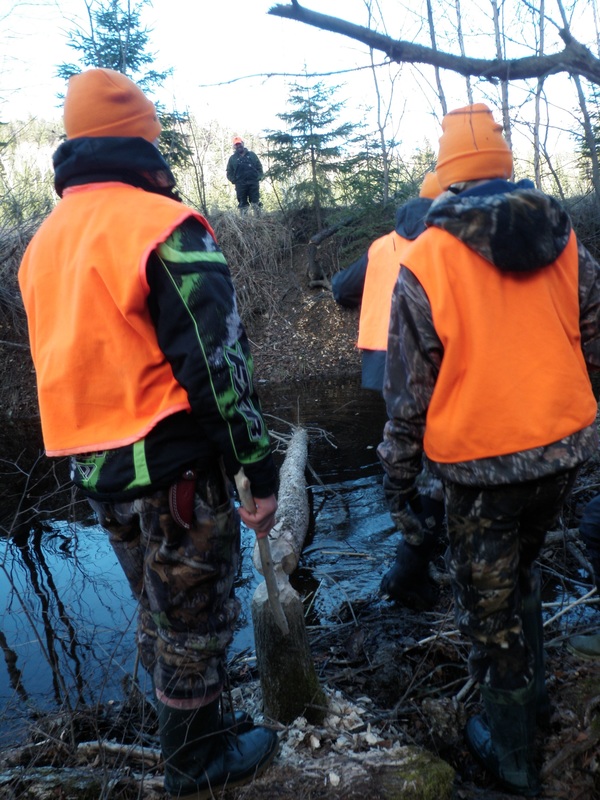
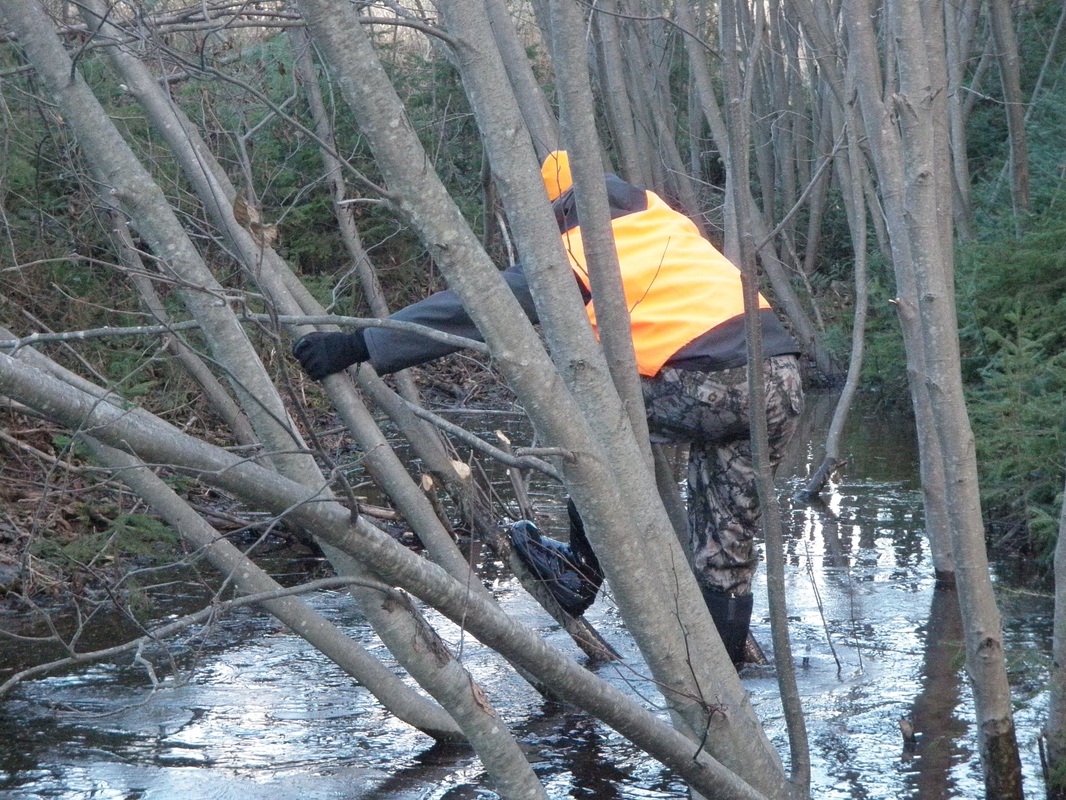
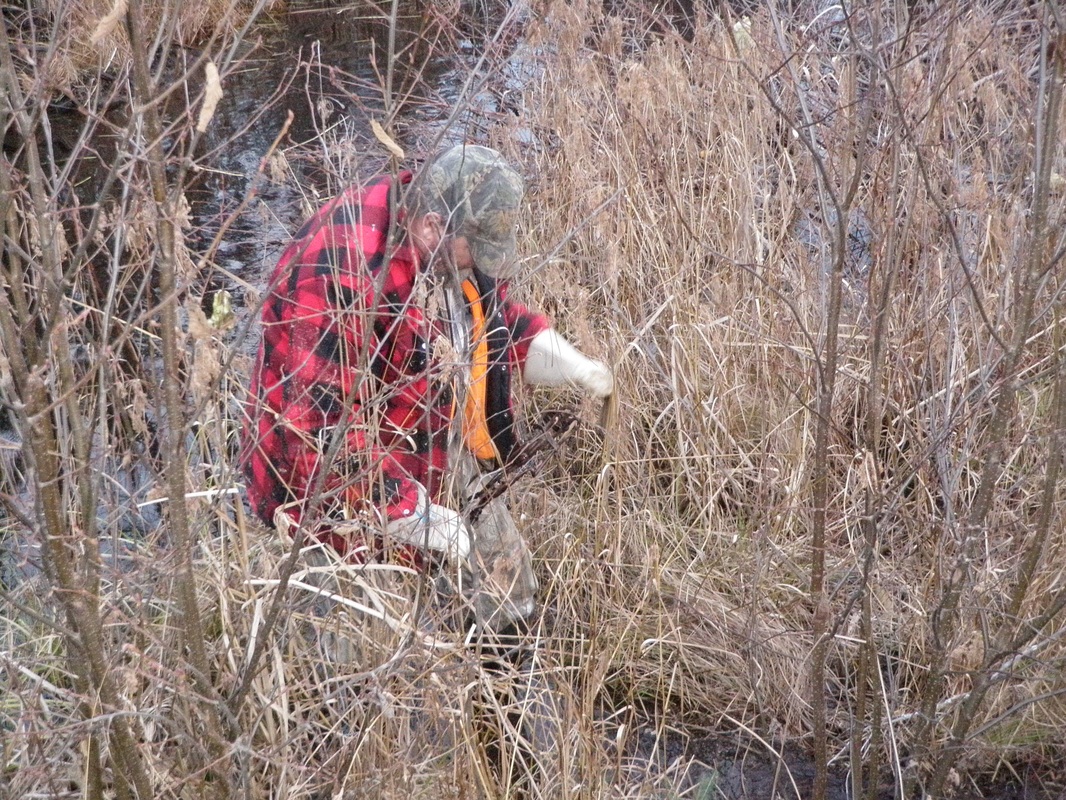
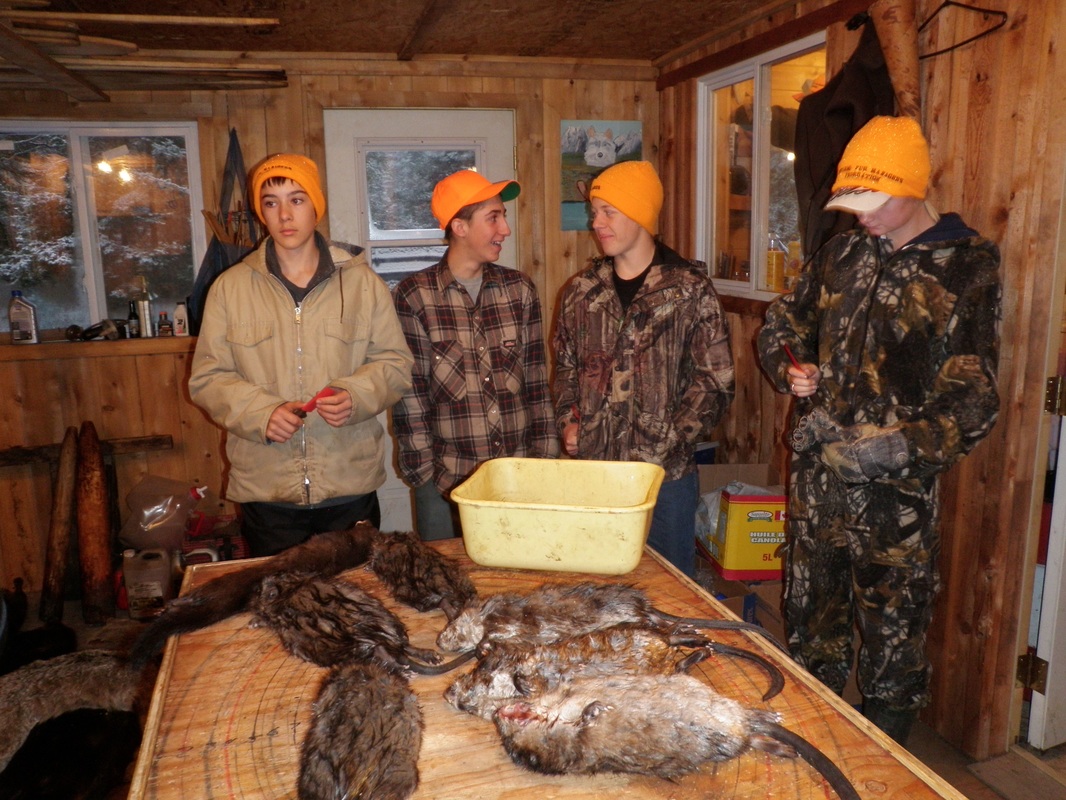
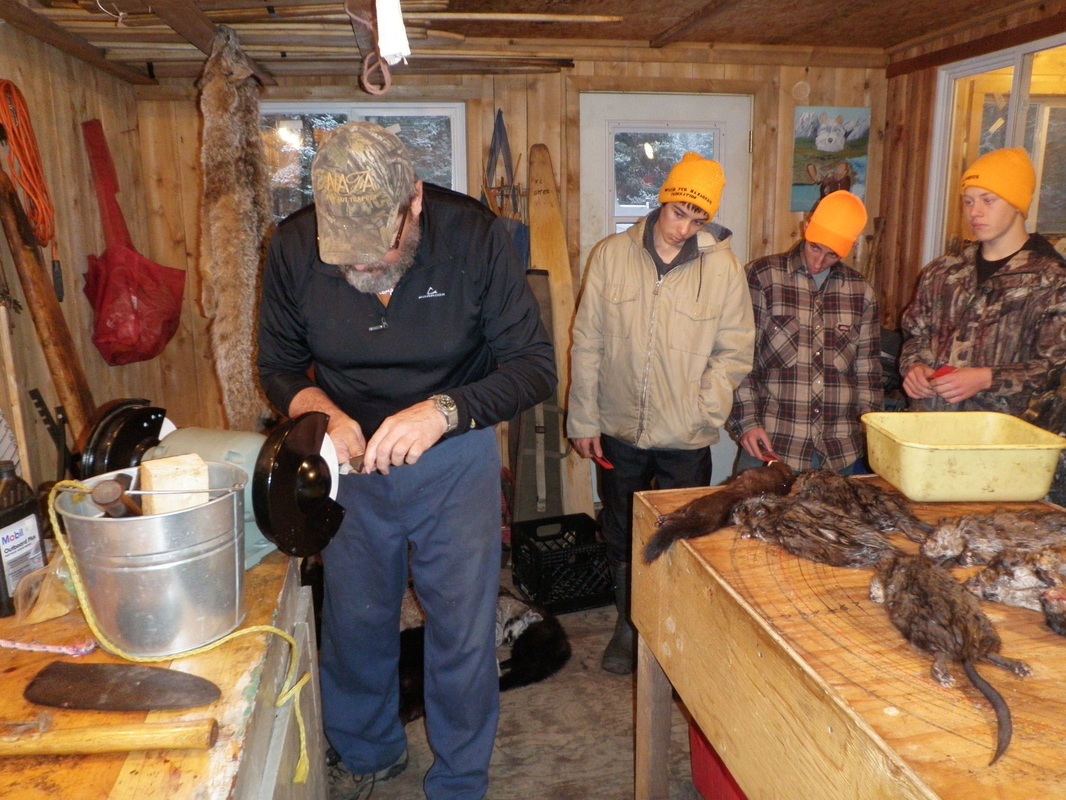
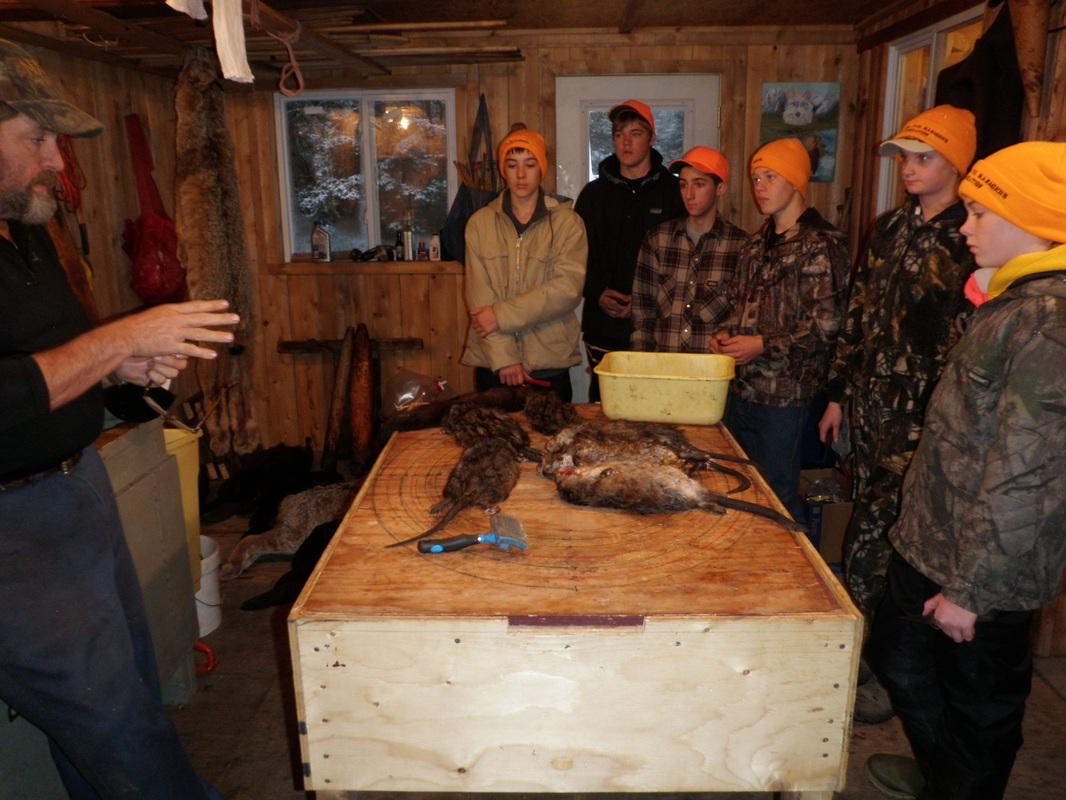
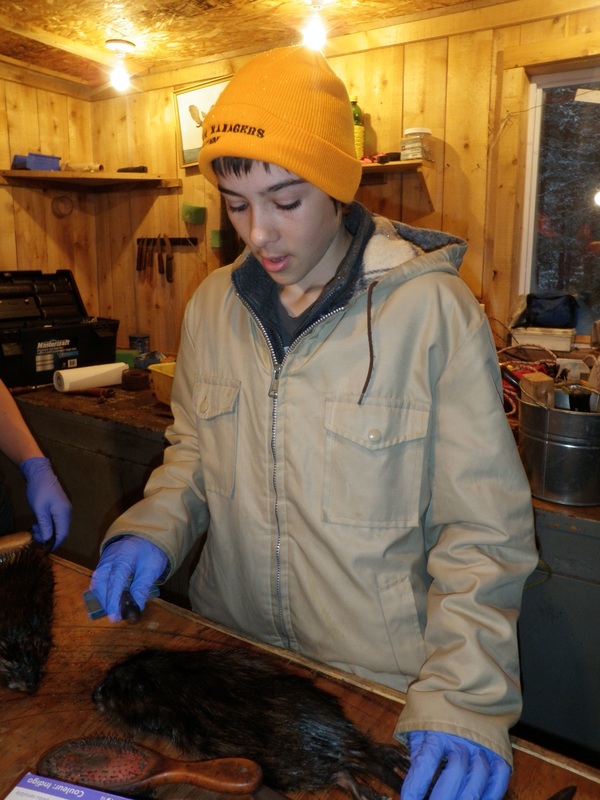
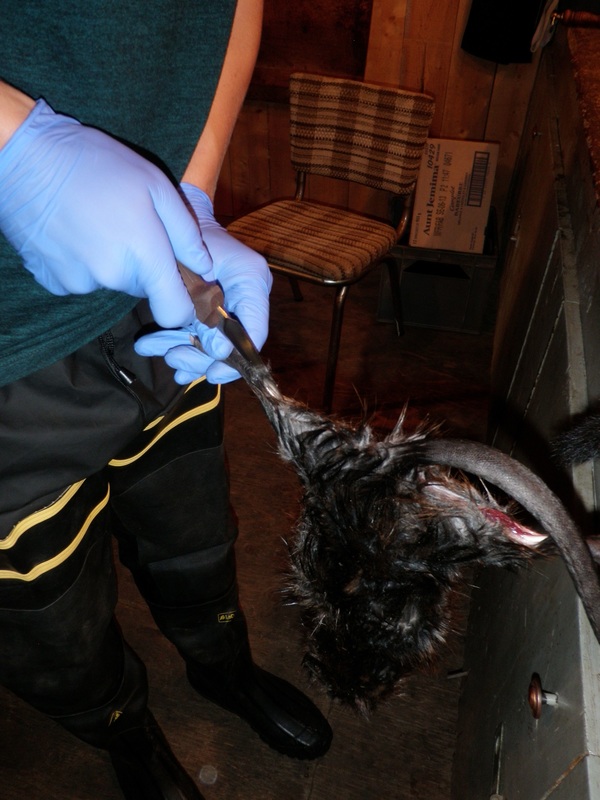
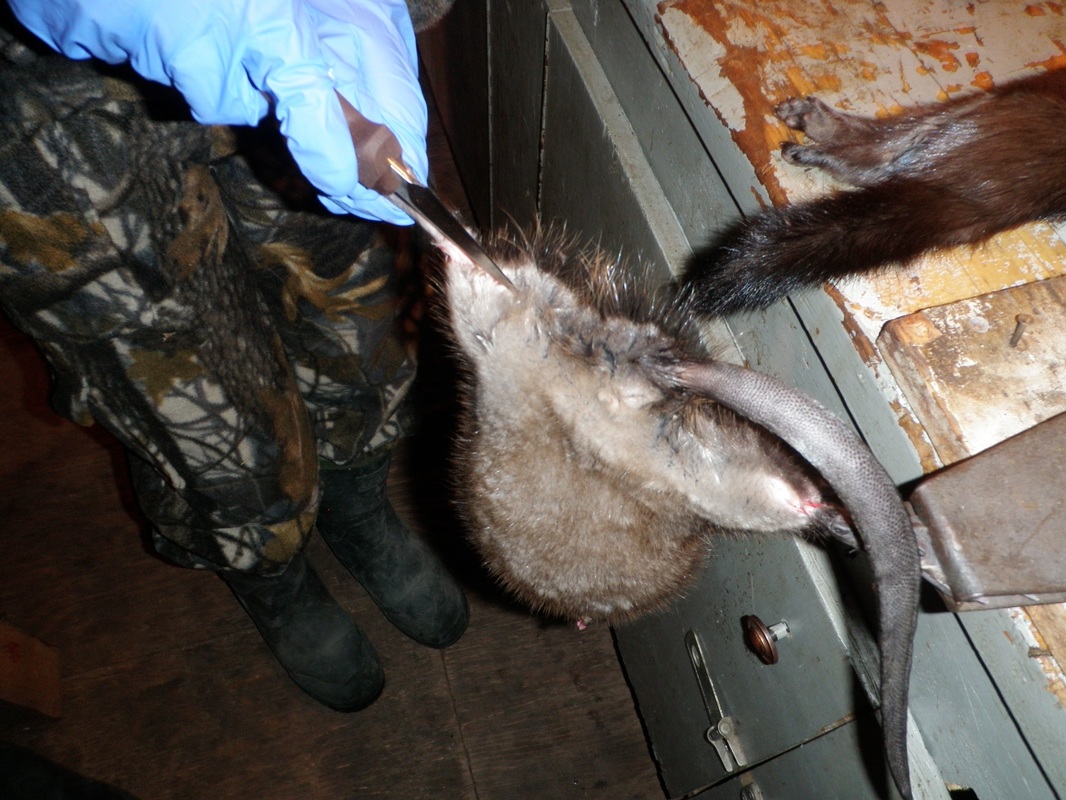
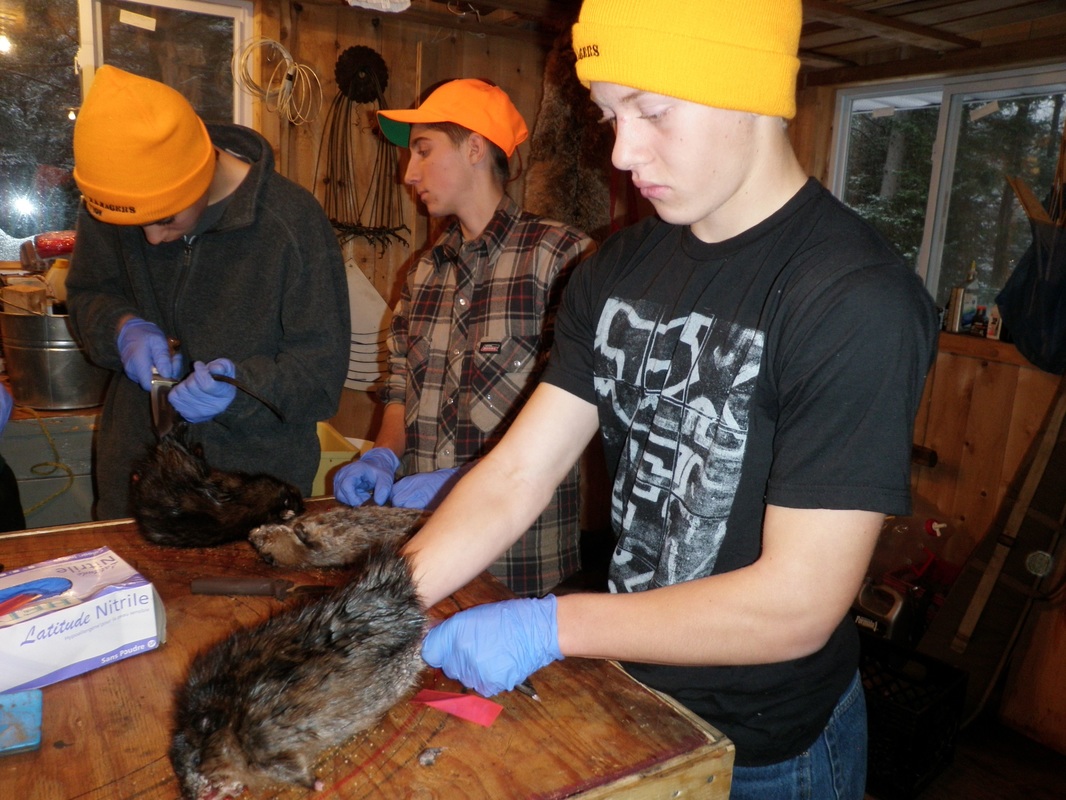
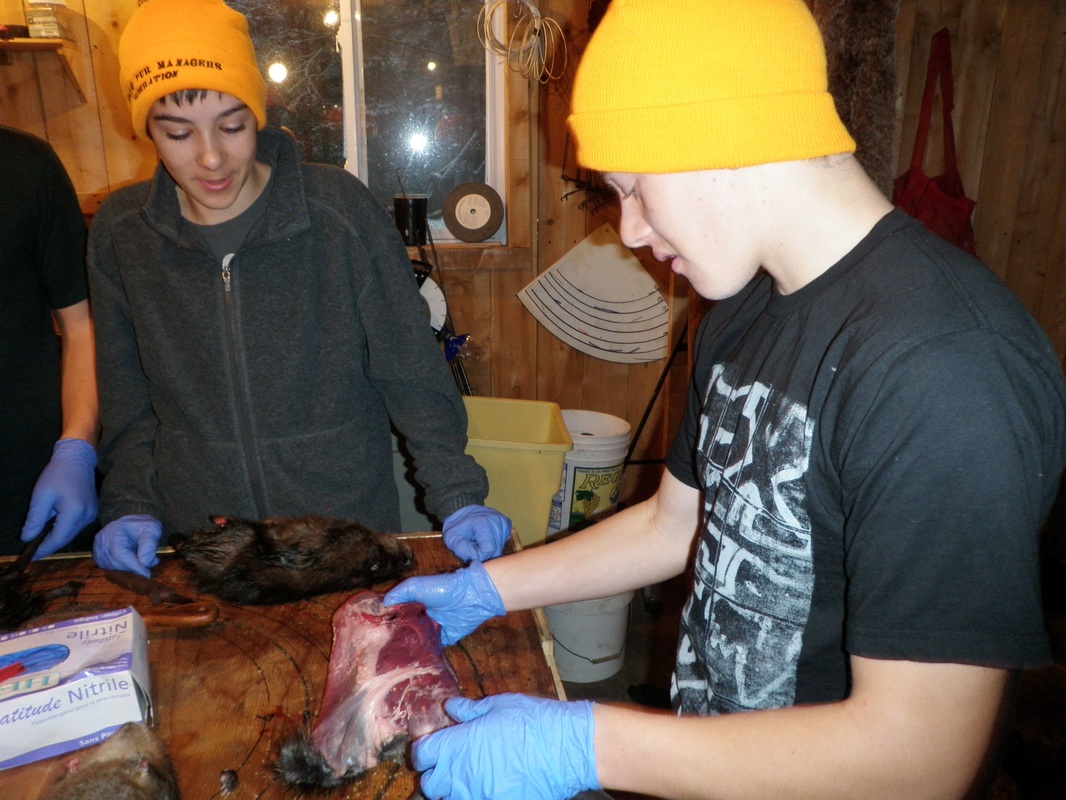
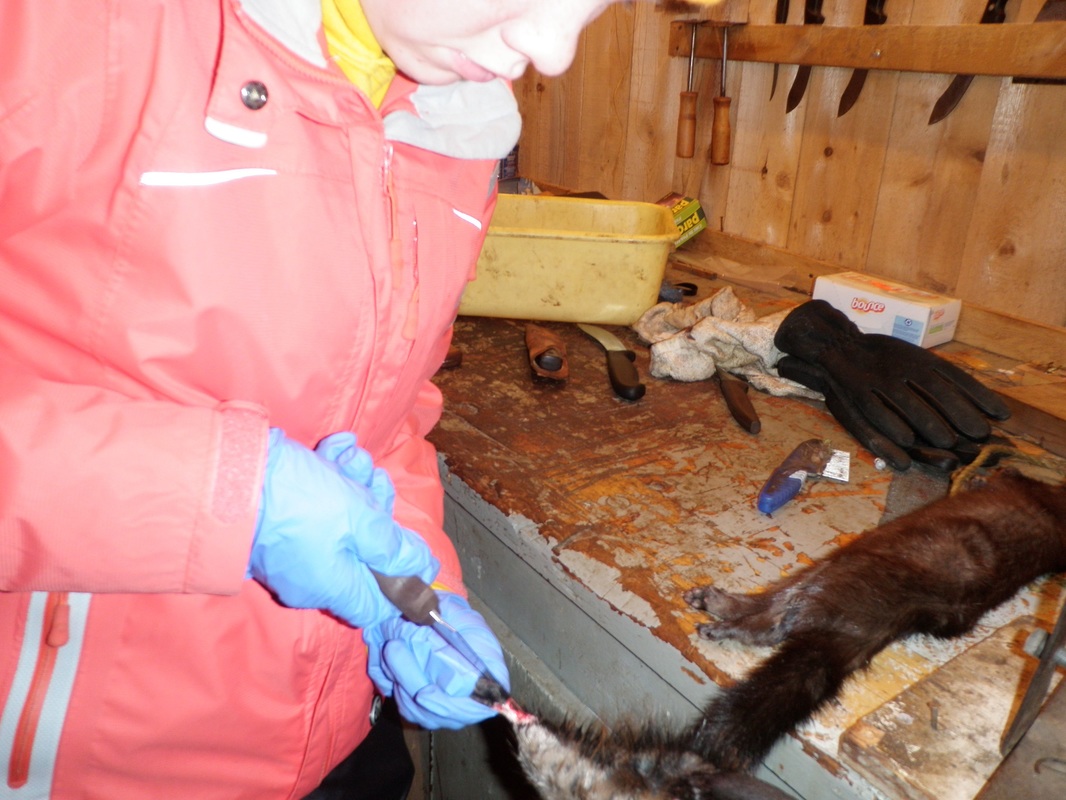
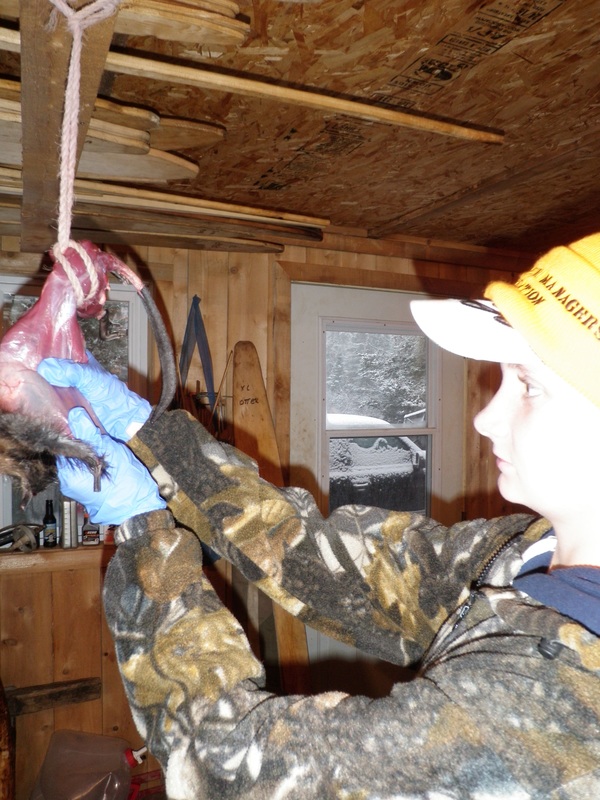
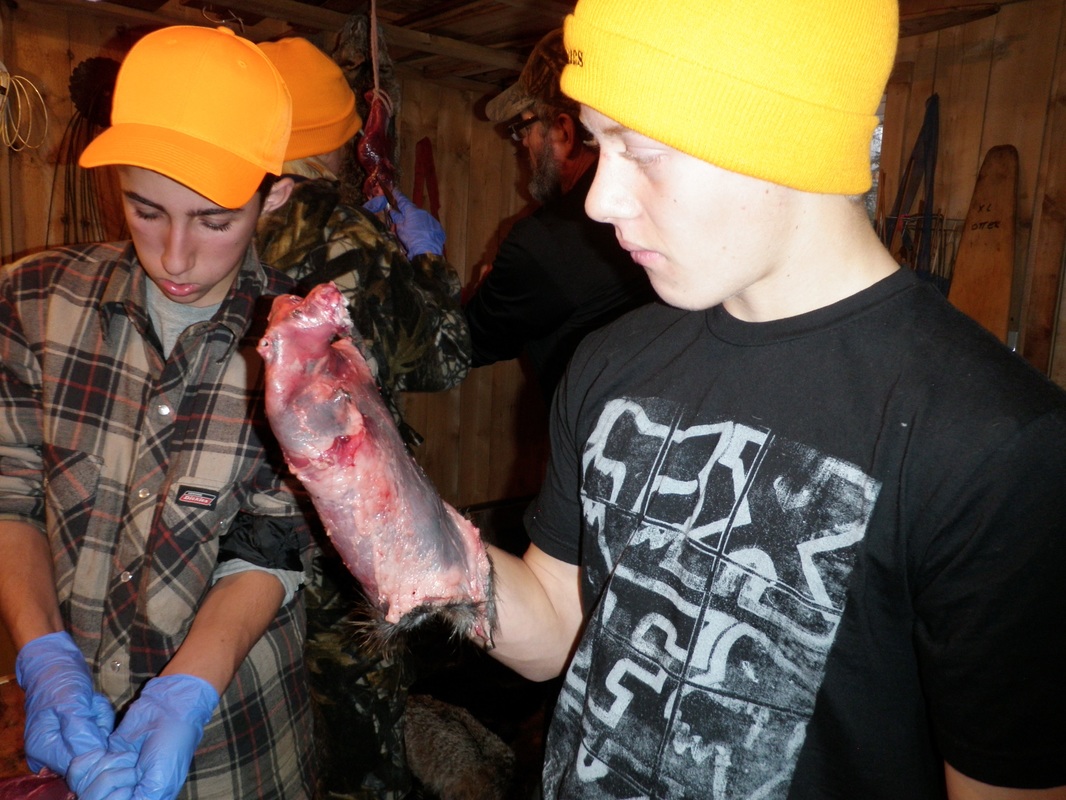
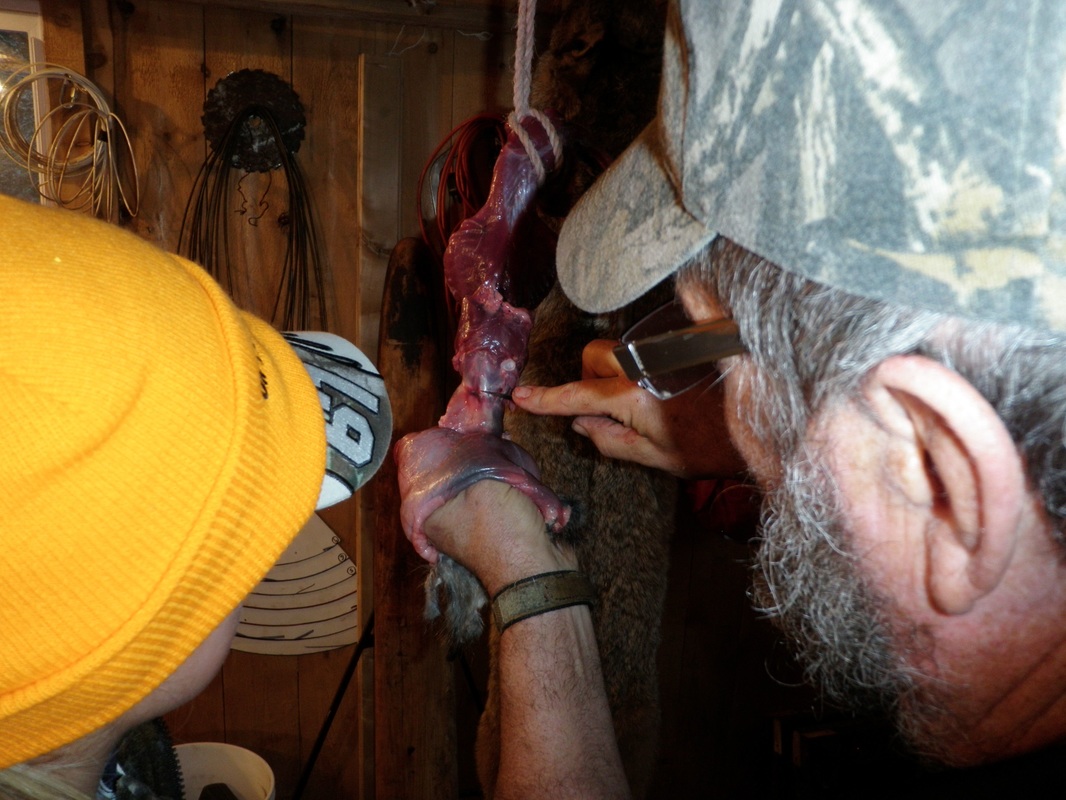
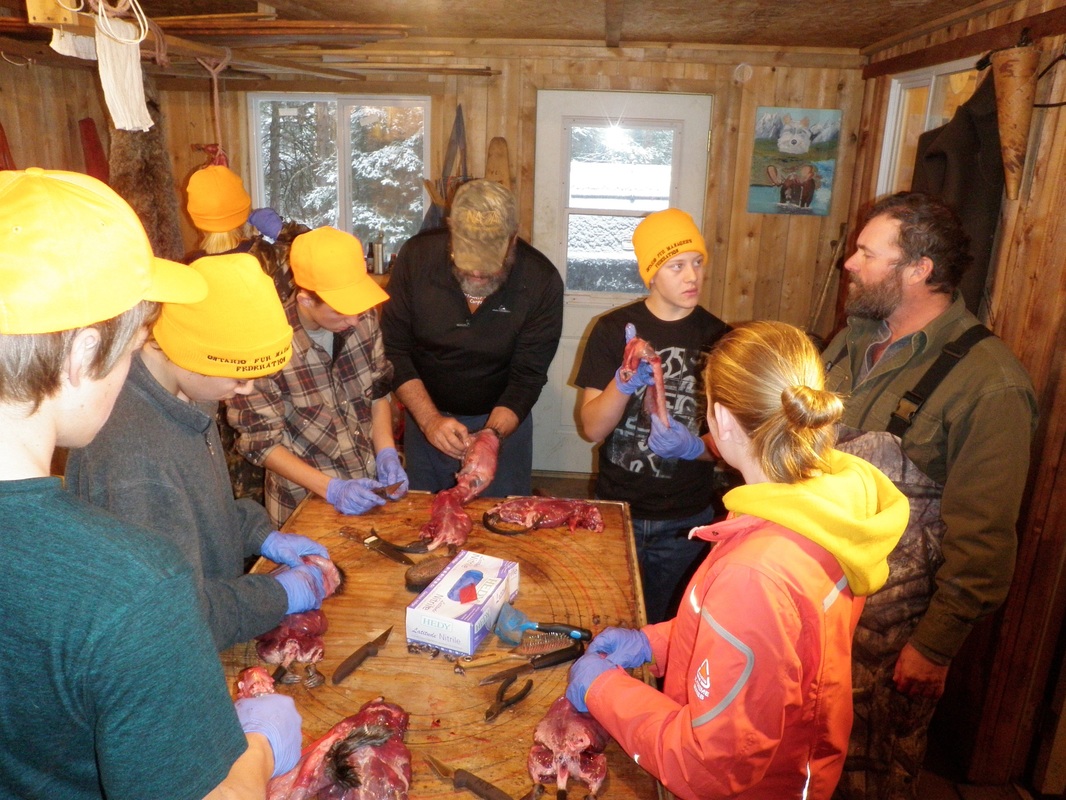
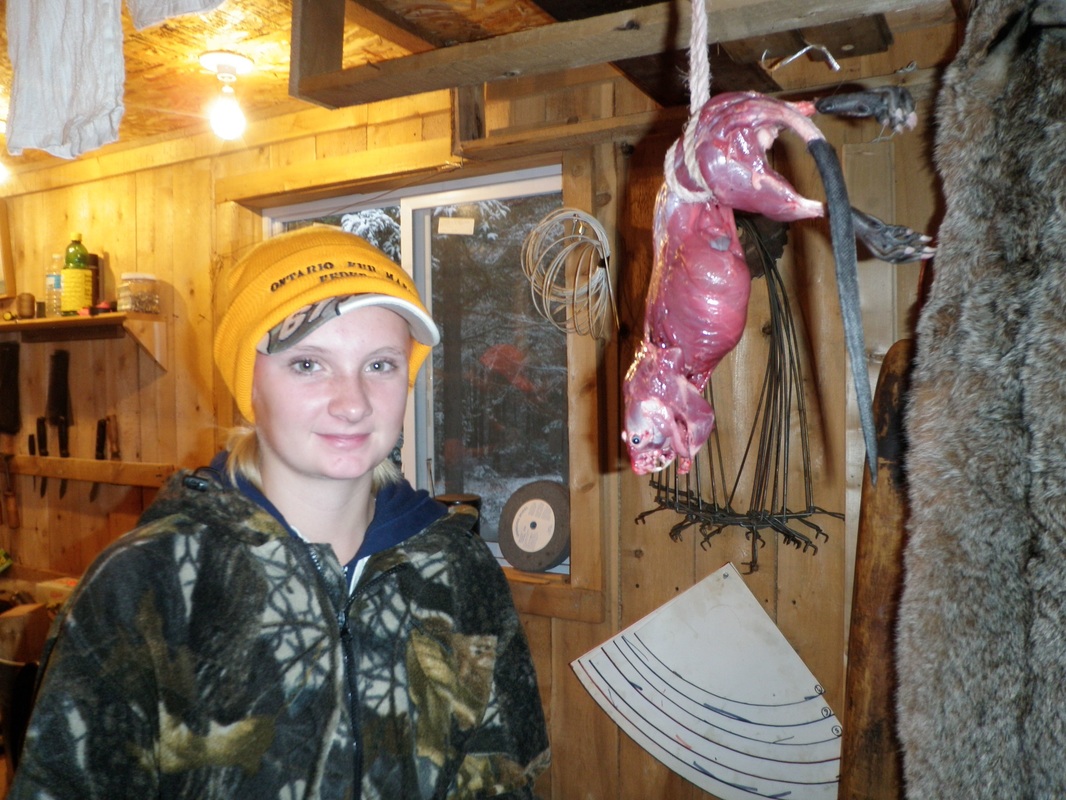
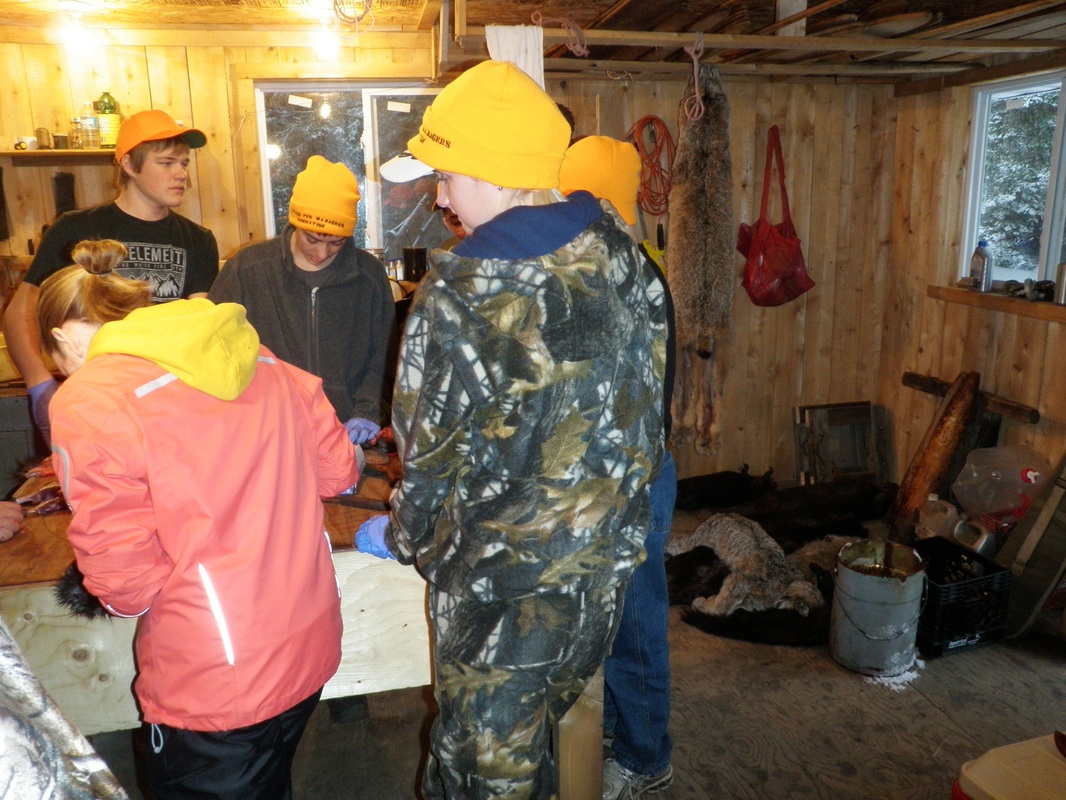
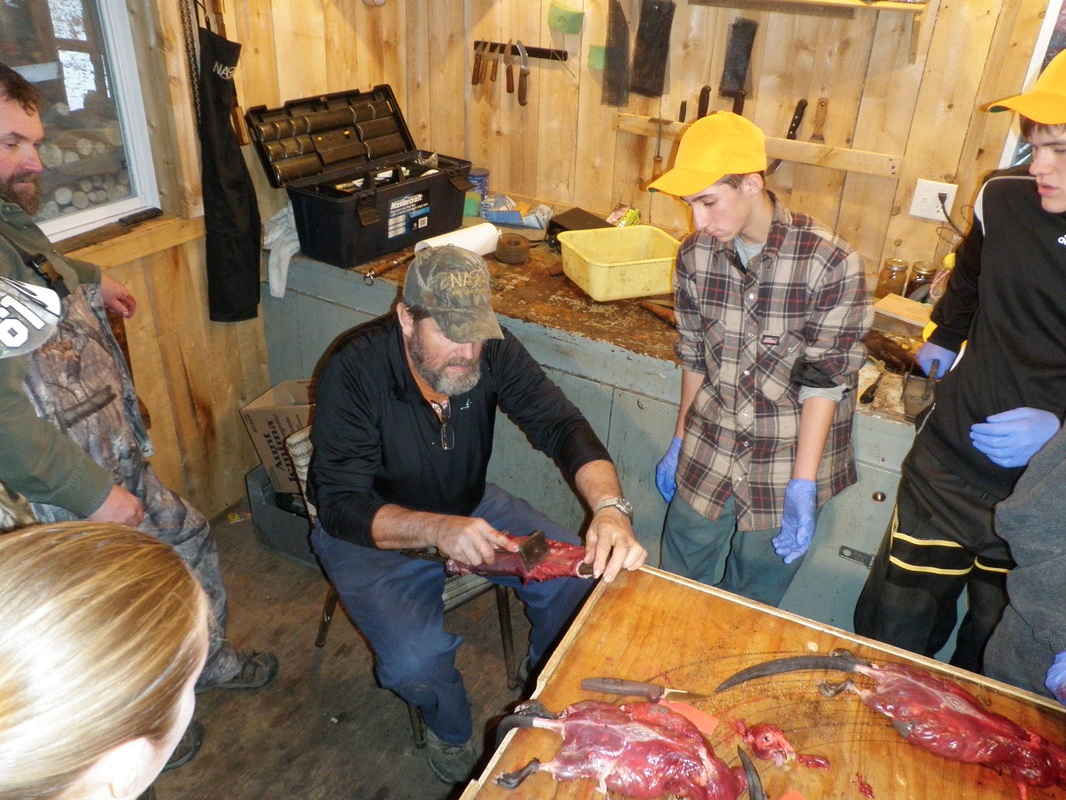
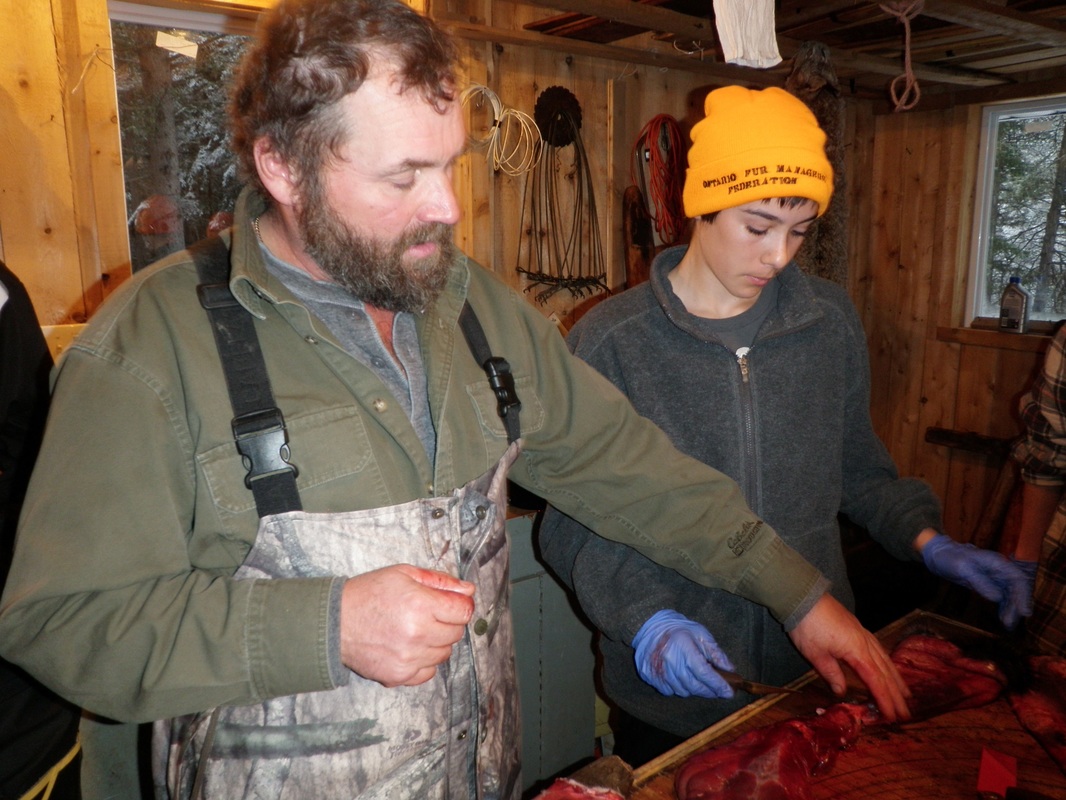
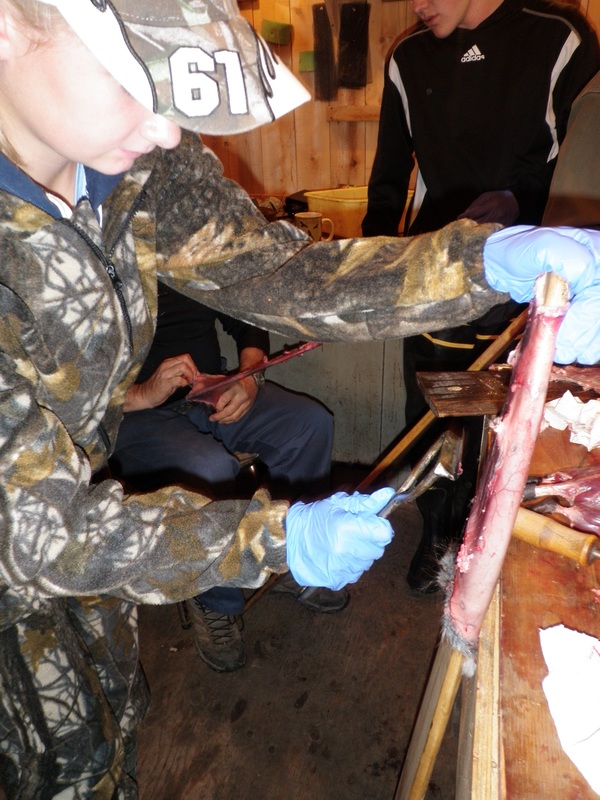
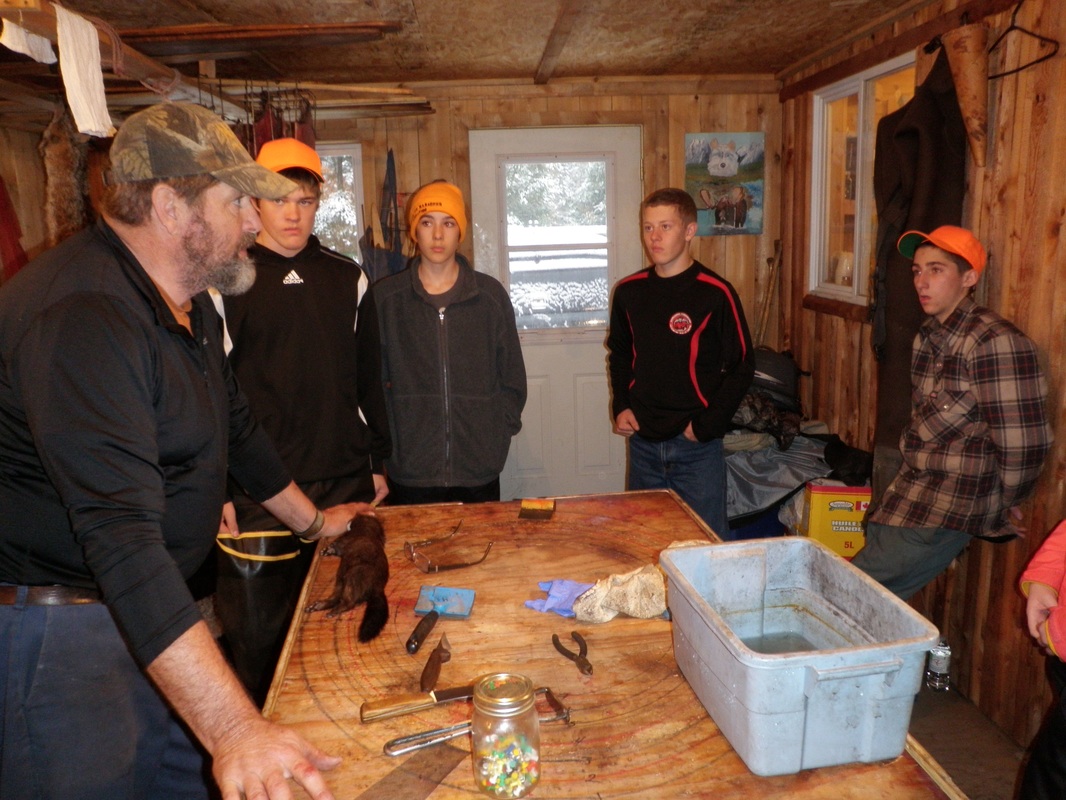
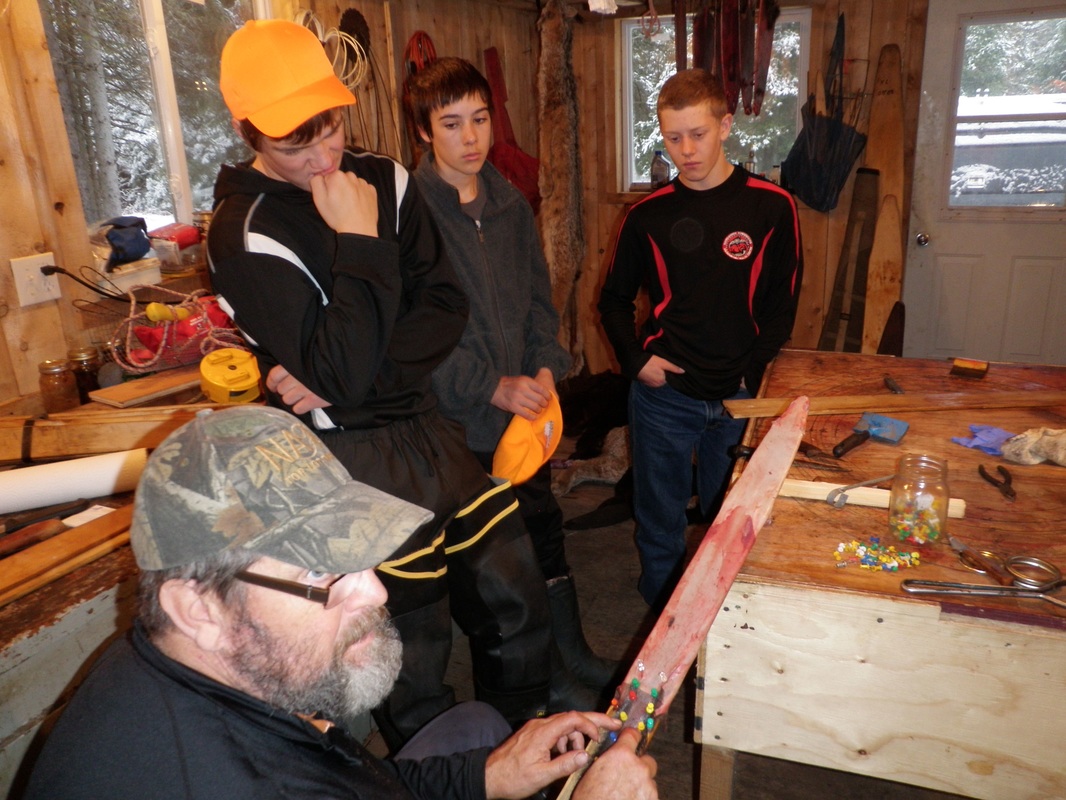
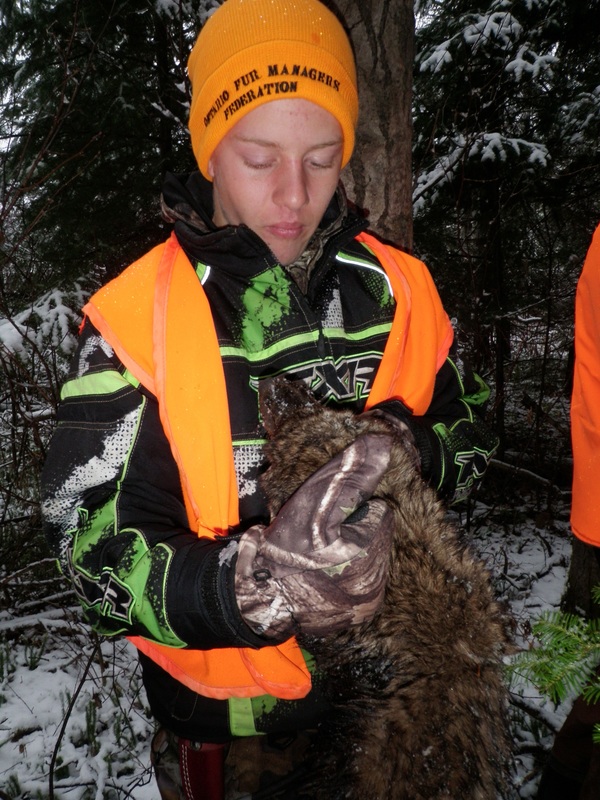
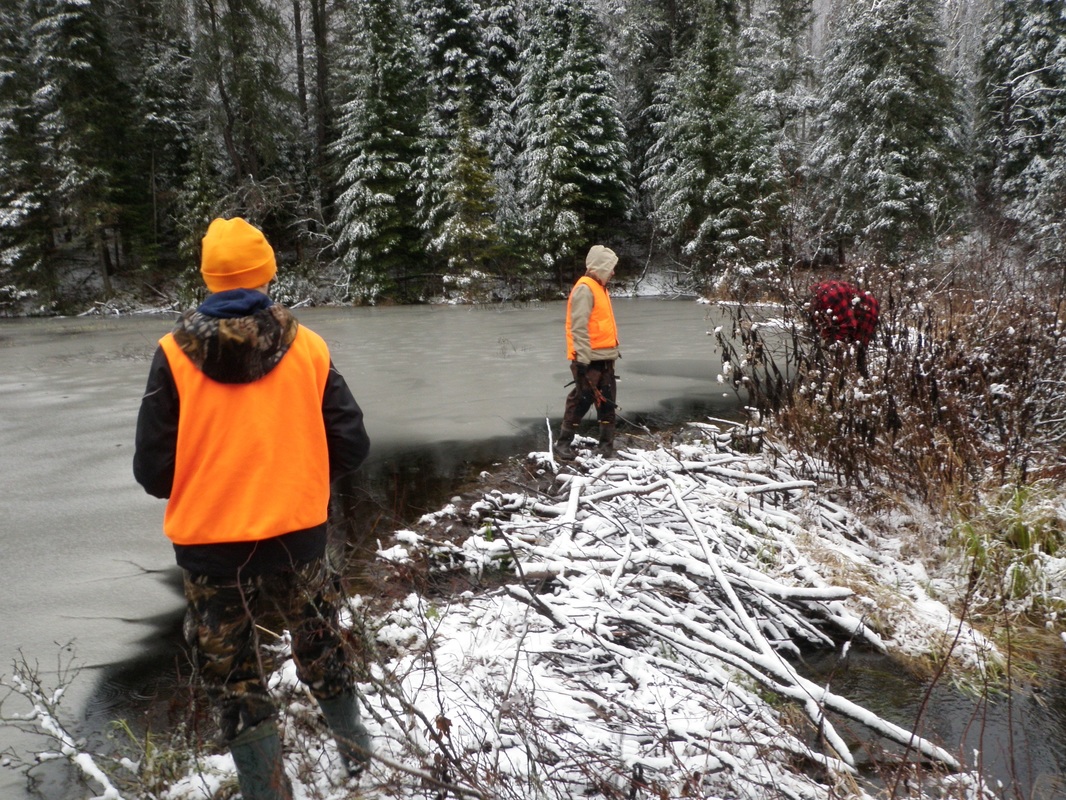
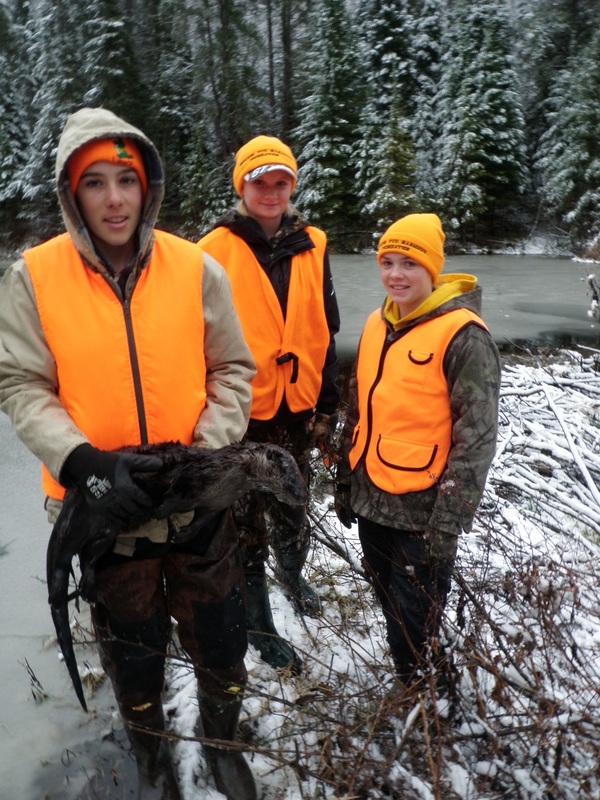
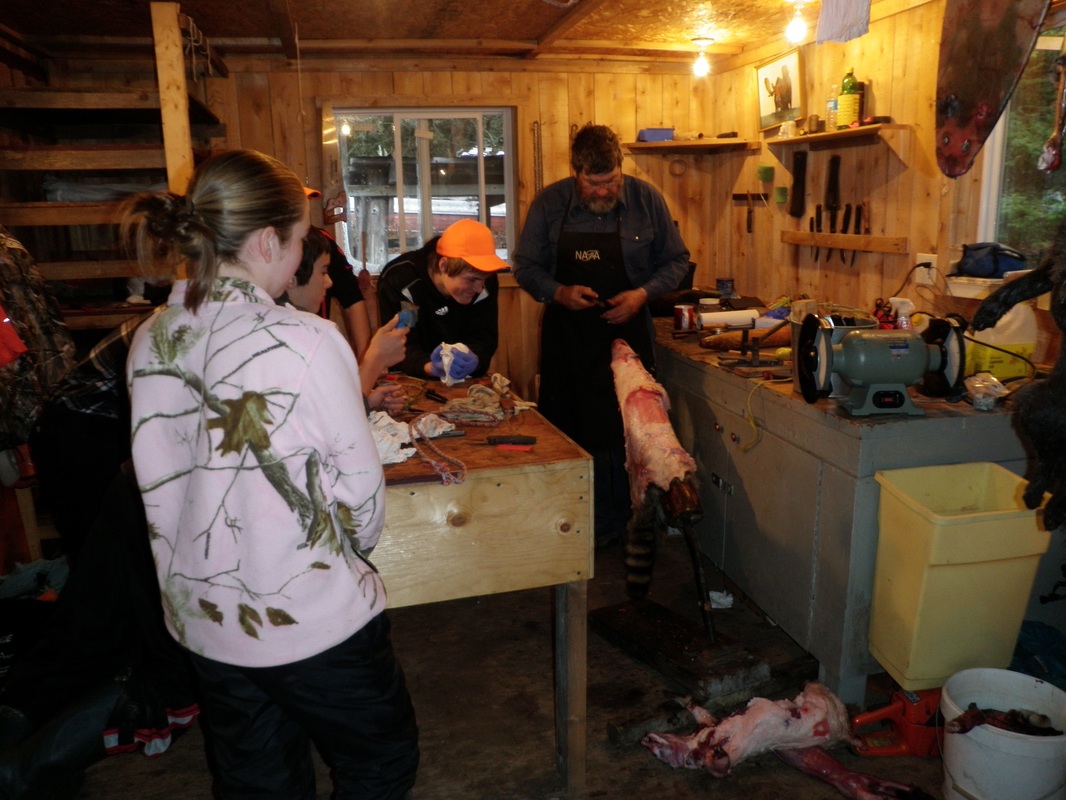
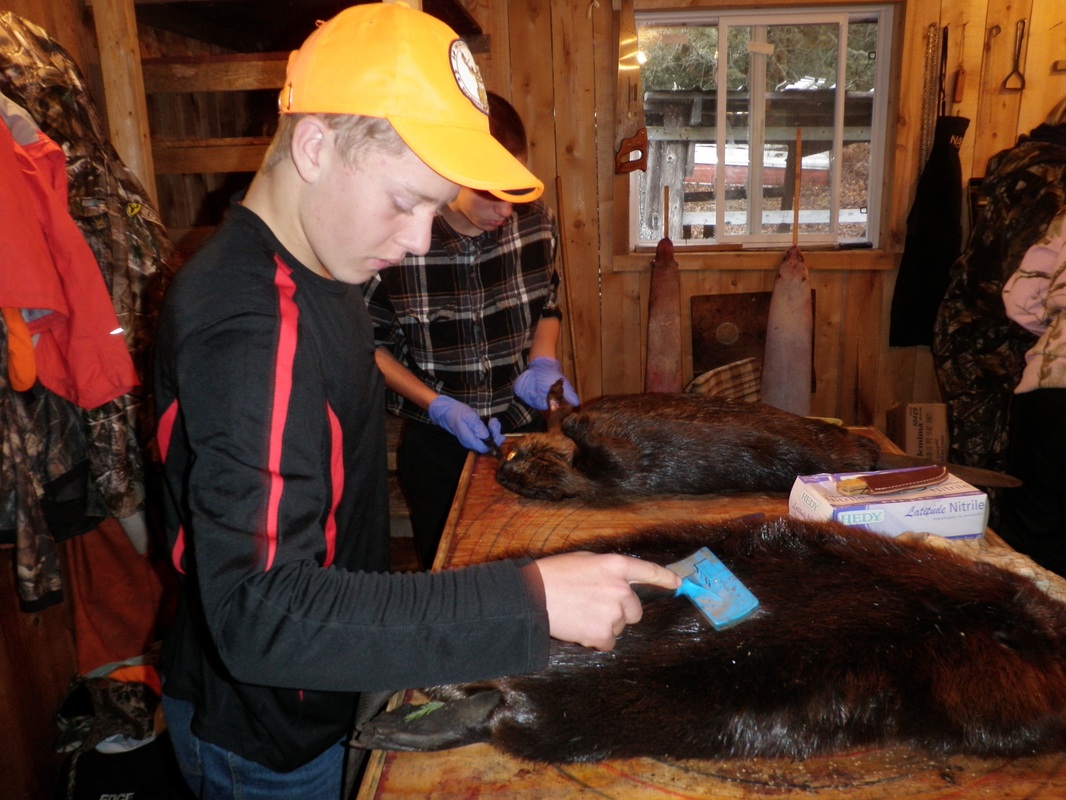
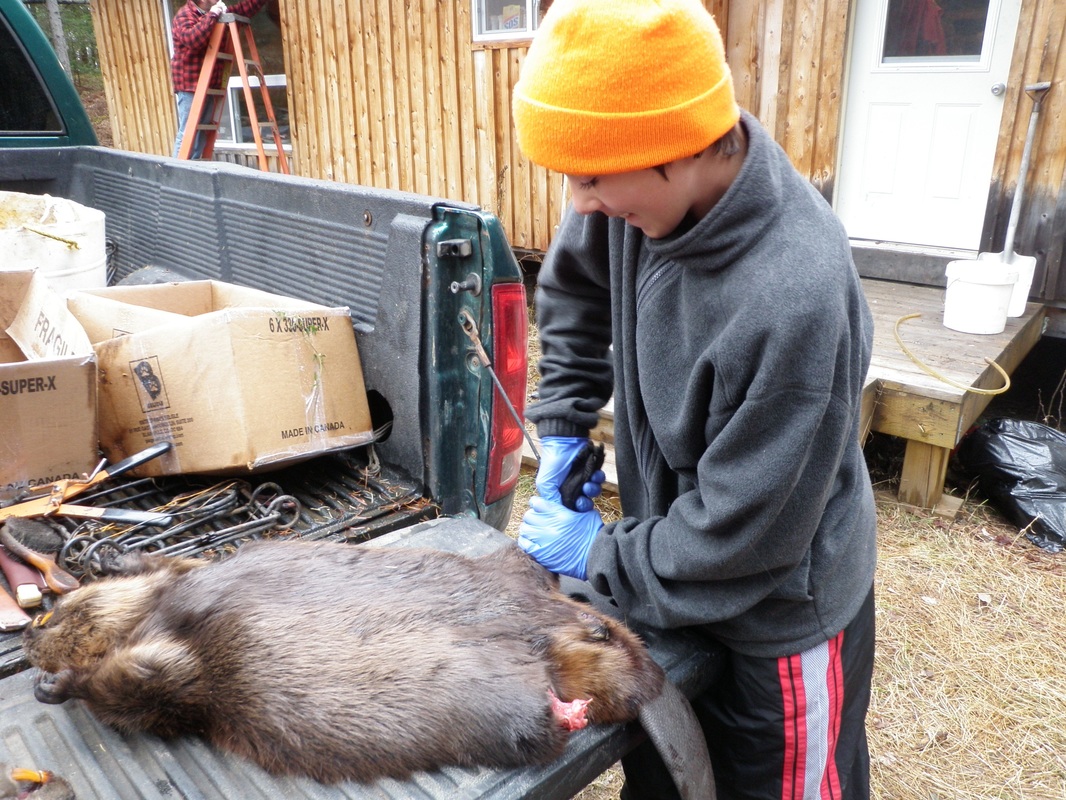
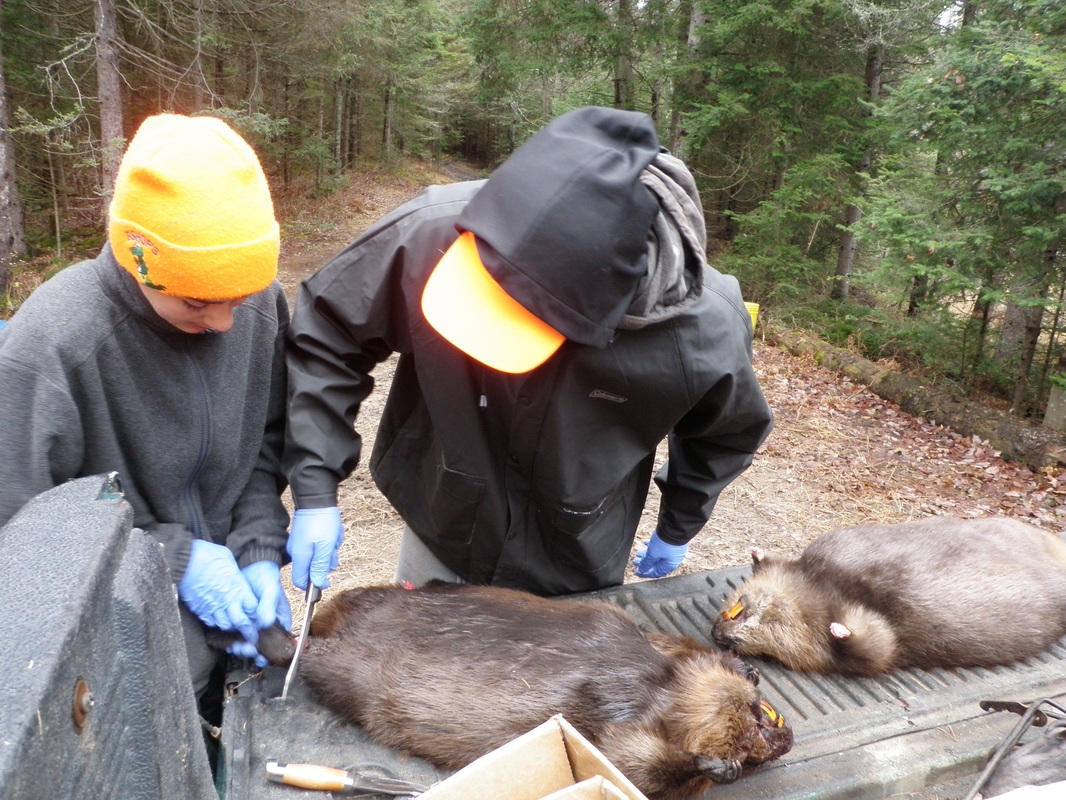
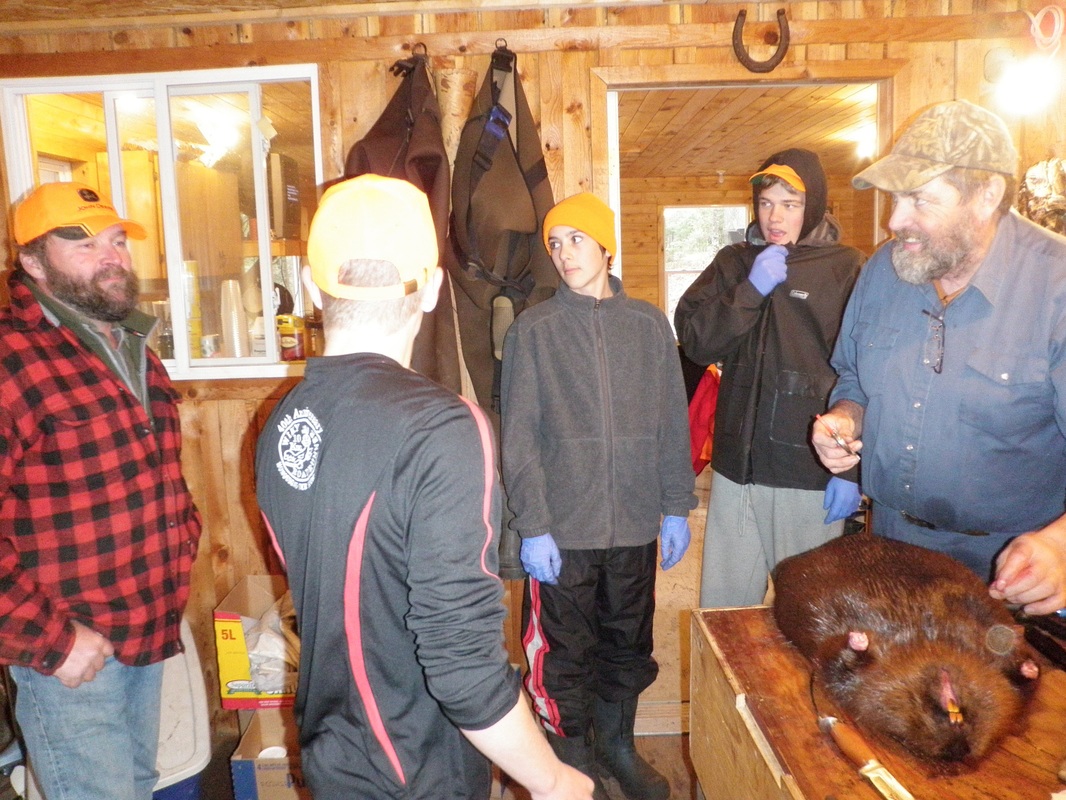
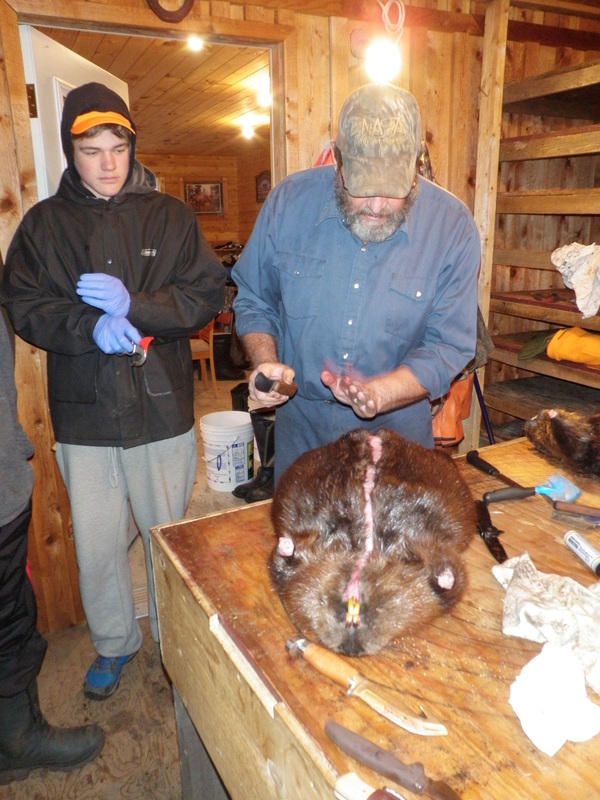
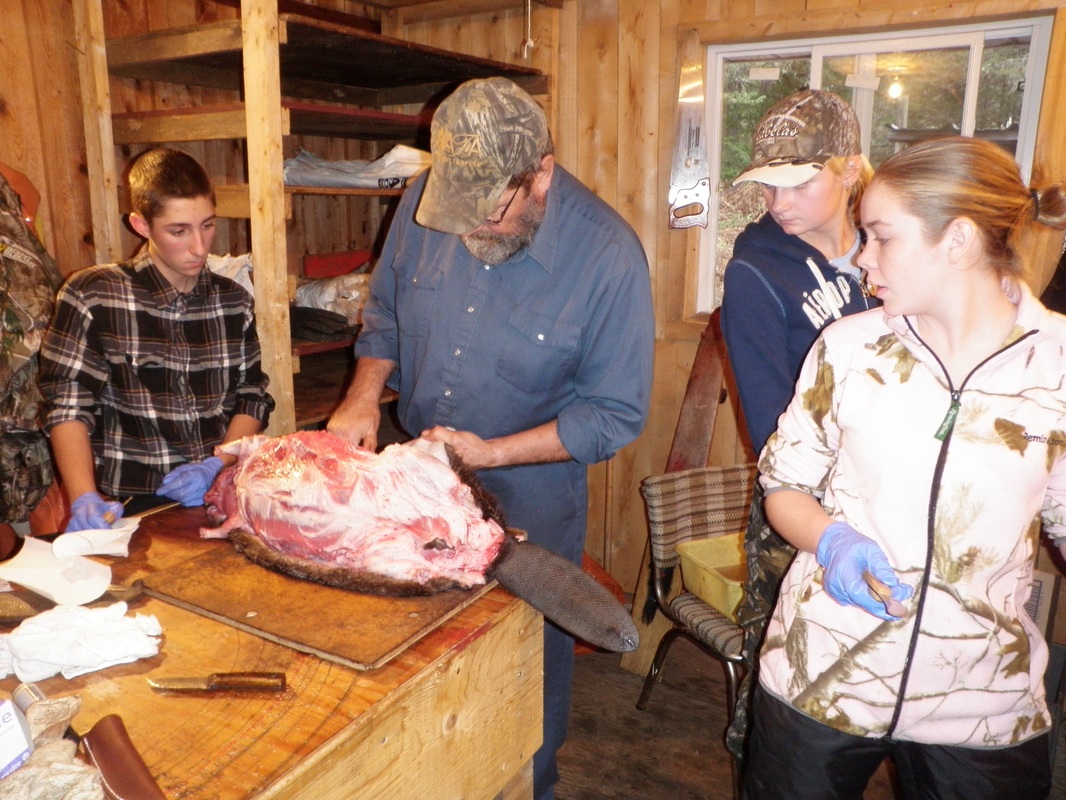
Part of stewarding citizen involvement in land and water ecosystems consists of encouraging as well as educating sustainable hunting and trapping through workshops.  MASC, and now Manitoulin Streams have partnered with the Ontario Federation of Hunters & Anglers (OFAH) to provide the necessary training and licensing to young citizens between the ages of 15-20, in efforts to promote the next generation of fur trappers.

MASC had been organizing hunter and trapper workshops since its inception in 2006.  With cutbacks to the funding for the Ontario Stewardship Network, council members decided it was best for MASC to dissolve into Manitoulin Streams, allowing for initiatives and public education events to be continued through the fostering care of Manitoulin Streams.  Found below are a few examples of past hunter and trapper workshops as well as recent and upcoming workshops and educational sessions.  For more information please contact us!

The Importance of Hunting and Trapping

Trapping continues to occur in all parts of Canada (and around the world) for many reasons:
  • to protect natural habitat, farmland, roads and other property from wildlife damage;
  • for disease control (such as rabies or beaver fever);
  • to maintain or improve biodiversity of both animals and plants;
  • to protect vulnerable species from over-abundant predators or competing species;
  • for public safety;
  • to safely remove wildlife in urban and suburban areas;
  • for reintroducing species to their historical territories;
  • for conservation research;
  • for environmental and wildlife monitoring;
  • for furs and food.
Trapping would continue to occur whether or not the fur and meat is used, particularly in relocation situations. For some species, such as raccoons, trapping is preferred over catch-and-release relocation programs. Such programs often lead to starvation for relocated animals unfamiliar with their new surroundings or create nuisance problems in the relocation areas. Catch and release also increases the risk of spreading wildlife diseases. It is for these reasons that in some Canadian jurisdictions it is illegal to relocate wild animals outside their immediate territory, making it impossible to effectively remove problematic animals.

Reasons for trapping may include:
1. Some animals are nocturnal or difficult to locate and therefore cannot be captured or hunted during the day.
  • Traditional hunting methods cannot be used. Trapping is often the only practical way to capture them. Species such as raccoon, skunk, coyote are some examples.

2. Animals can sometimes cause large amounts of damage or carry diseases
  • Flood damage, killing of livestock or damage of crops can both cause significant costs to taxpayers and property owners
  • Rabies or other diseases can be carried and spread by them which poses health risks to livestock, pets, and humans

3. Fur trapping plays an important role in wildlife monitoring, species protection and conservation research.

Capturing wild animals as well as observing changes in the animals and their habitats is necessary parts of wildlife conservation efforts. Trappers and trapping provide an important source of statistical and scientific information. In many cases, there are insufficient wildlife biologists, researchers and volunteers to go out into the wild to gather this much needed information. By submitting their annual capture numbers, animal samples and other local habitat and animal observations, Canadian trappers provide a vital and free monitoring service.

This information is used for wildlife management and conservation efforts, such as:
  • To reduce or eradicate wildlife disease outbreaks.
  • To set hunting and trapping quotas and seasons (minimums and maximums) at the local and provincial/territorial levels.  This is so wildlife populations can be maintained at the optimal levels for that species and habitat.
  • To determine species re-introduction and culling programs.

4. Regulated seasonal trapping is a consistent way to manage populations at no cost to taxpayers
  • A 'tried and true' method with little to no negative effects on the environment like poisoning or spraying
  • Trapping fees and royalties paid by fur trappers contribute to government revvenues and help offset tax dollars needed to fund government conservation efforts
  • Without it municipal and provincial taxes would have to be raised significantly to pay professional trappers for wildlife control services and to cover damage claims and more costly alternative management methods
​
5. Trapping can provide immediate results in reducing the effects of over-population 
  • Eliminates the suffering from hunger and disease caused by over-population
  • Quicker and less costly than other methods such as chemical birth control or vaccination baits

Research has found that people who participate in trapping do so for many reasons, the most commonly listed ones are:
  • Life style orientation and/or self-sufficiency
  • Wildlife management
  • Affiliation with other people
  • Income (sometimes complimentary to their household budget, sometimes a critical component or an important safety net to household income)
The Northeast Furbearer Resource Technical Committee reports that most people participate for several of these reasons.

Whether being conducted by aboriginal trappers in Canada and Alaska or people living in suburban or rural areas, a common link in the values of these people is they utilize wild animals and plants to bring sustenance into their households (e.g. the meat for food, pelts for clothing, or money to buy household goods). For many, this is an integral part of their life, and is an enduring element of their relationship to nature and link to the land. With proper management of wildlife resources, people today can still choose to participate in this lifestyle as they have done since the beginning of time.

Source: (http://www.fur.ca/TC_about_trapping.php)

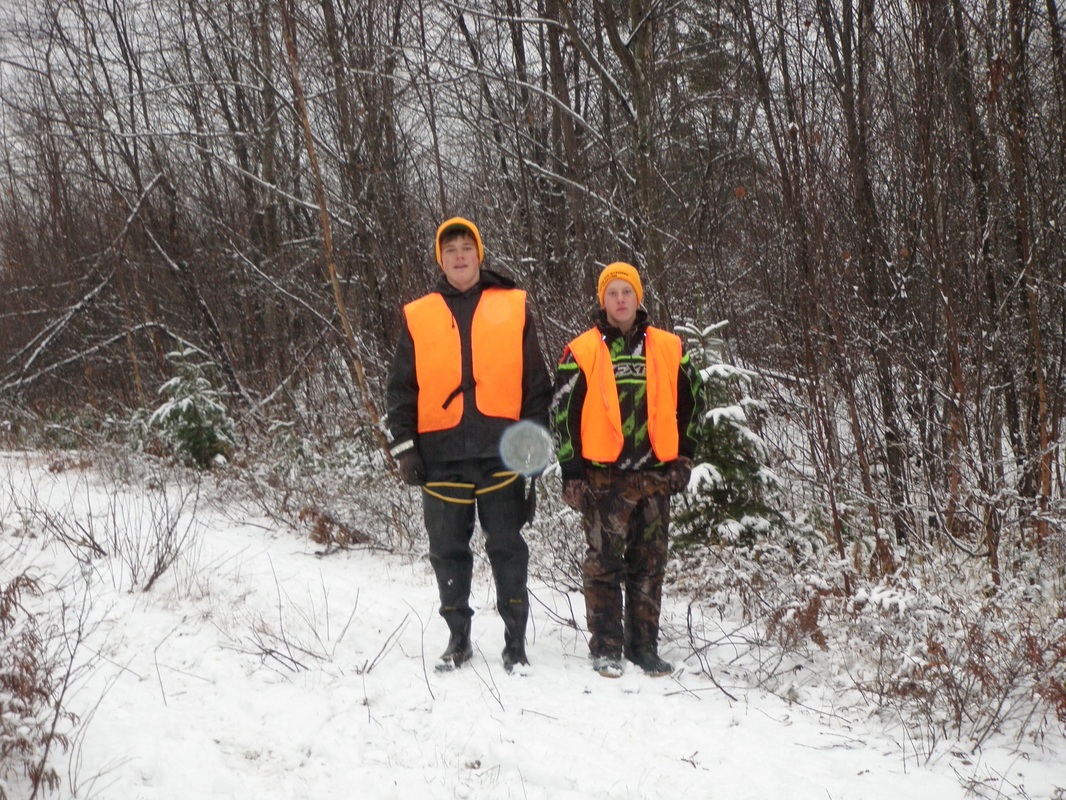
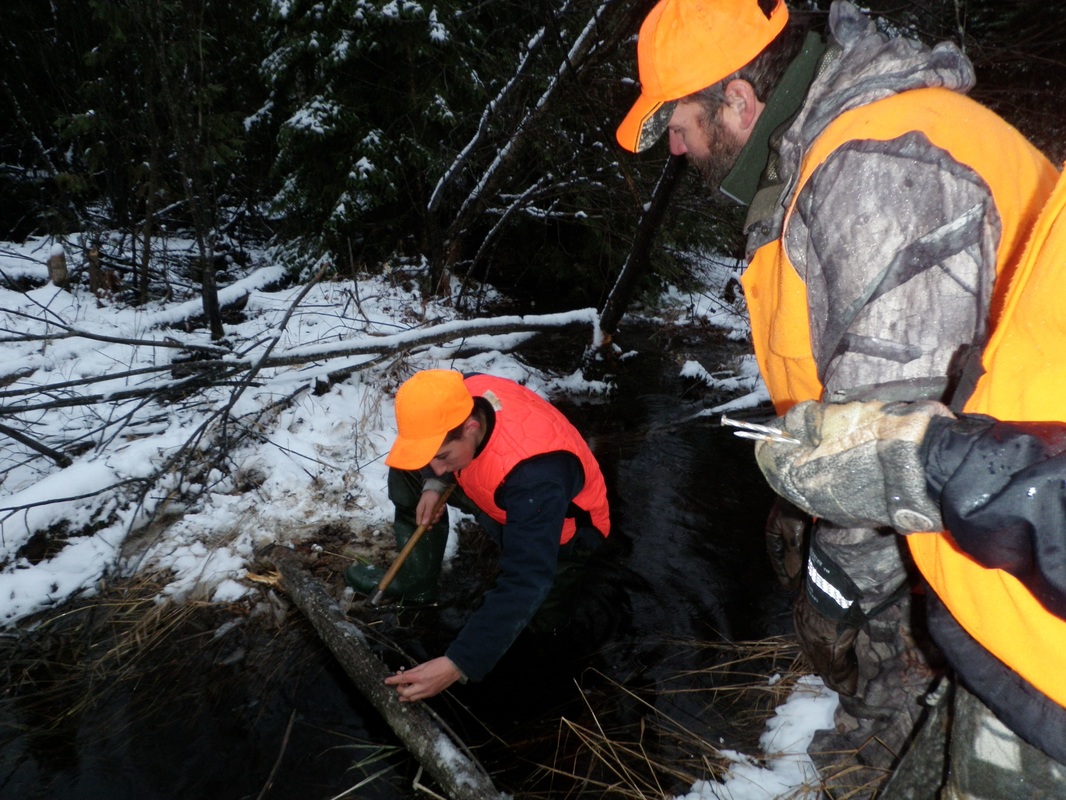
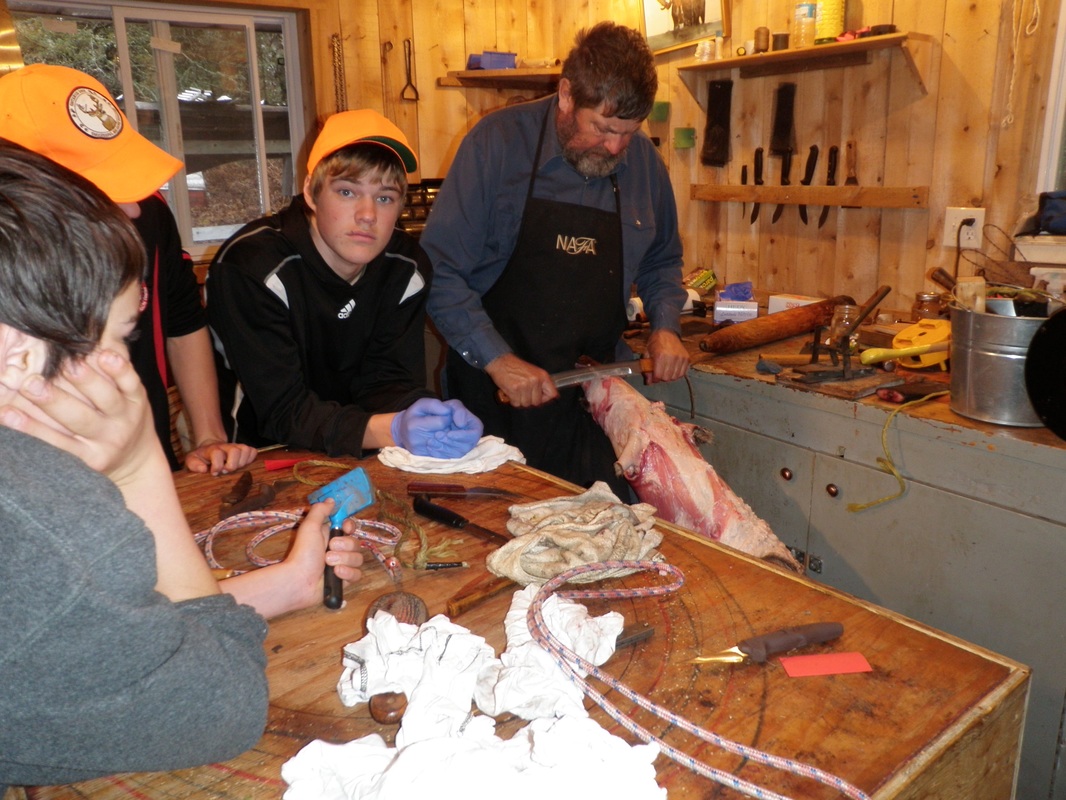
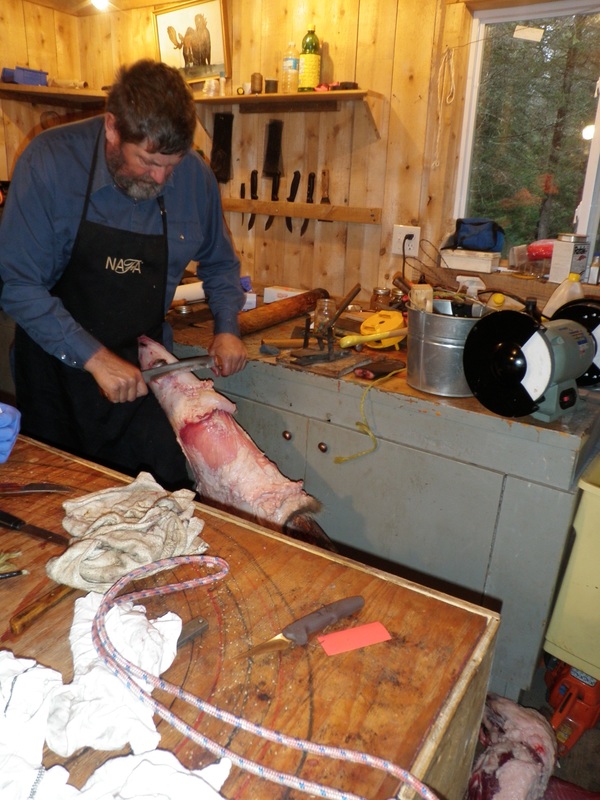
Past Hunters & Trappers

Picture
Picture
Picture
​About
Stream Restoration
Contact
Picture
Scan To Donate with Square
square.link/u/WSPrDoiX
"A true conservationist is a man who knows that the world is not given by his fathers, but borrowed from his children."
-John James Audubon
© COPYRIGHT 2015. ALL RIGHTS RESERVED.